Digging Deep Into Camas With Linzie Crofoot
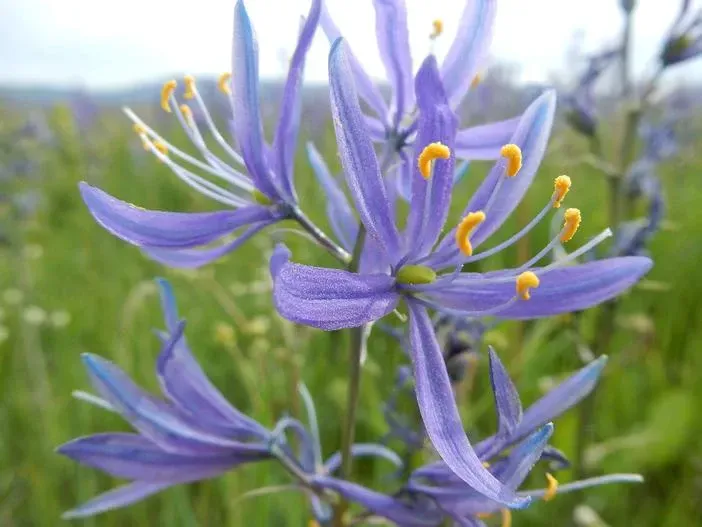
Camas prairies have been managed since time immemorial. “It’s an ethno-ecosystem that has been shaped alongside the seasonal gathering rhythm of the people of the Puget Sound and Salish Sea region. We follow the biological cycle of the plant in our cultural relationship with it,” says Linzie Crofoot, a tribal ethnobotanist and ecologist at Agroforestry Northwest. Crofoot also holds roles as a professor at Northwest Indian College Tulalip and as a traditional medicine program director for the Naa káani Native Program.
Crofoot, a member of the Central Council of the Tlingit and Haida Indian Tribes of Alaska (Tlingit/Raven/Beaver) and a descendant of the Colville-Okanagan, was raised practicing her food sovereignty—though she did not know it at the time. “I grew up in a family that was disconnected from our traditional homelands, but still very connected to the land and to traditional foods,” she says. Crofoot recalls her parents pointing out edible plants while out fishing and hunting together. It wasn’t until she got her BS in Native Environmental Science at Northwest Indian College that she realized she’d been raised in her food traditions and wanted to dive deeper. She went on to get her MA in Natural Resources at the University of Idaho, eventually focusing on the scientific and cultural relationships between people and nature. “I'm really focused in restoration ecology and habitat management, but in that lane of restoring our traditional people to the land as a part of land restoration and food revitalization.”
Camas, a native prairie plant to the Pacific Northwest including at sites on Whidbey and Camano Islands, sits right at the heart of ethnobotany and Indigenous food sovereignty. It is an objectively beautiful wildflower, comprising flowering spikes with blooms ranging in hue from blue to violet for edible varieties, and can grow several feet tall. It emerges in spring from a white, bulbous root that can be eaten when cooked. Camas is largely harvested as it’s coming into full bloom, though some Indigenous groups harvest in fall. “In that time, tribes are coming together, traditionally and today, on prairies to harvest, but also honor the reciprocal relationship that has existed since time immemorial with camas,” says Crofoot. While harvesting the roots, tending work also occurs, eliminating weeds and aerating the soil. “We're harvesting selectively, leaving young bulbs to continue to grow and mature,” she says, “so the biological cycle, our harvesting cycle, and our cultural connections are very attuned to each other.”
During that process, Crofoot explains that folks hold feasts and celebrations. “That helps not only affirm our connection to the land, food, and our own Indigenous identities, but also to each other as different tribal groups and families are coming together in these communal spaces.” Since 2018,
Pacific Rim Institute, which stewards camas prairies on Whidbey Island, has partnered with
Coast Salish Youth Coalition for an
inter-tribal harvest and bake of camas—gatherings in which Crofoot has participated. Across the bay, the Swinomish tribe’s
Generations Camas Project has worked to reintroduce camas on the reservation. They plant, harvest, and prepare the plant root, affirming a cultural connection for future generations to the traditional food.
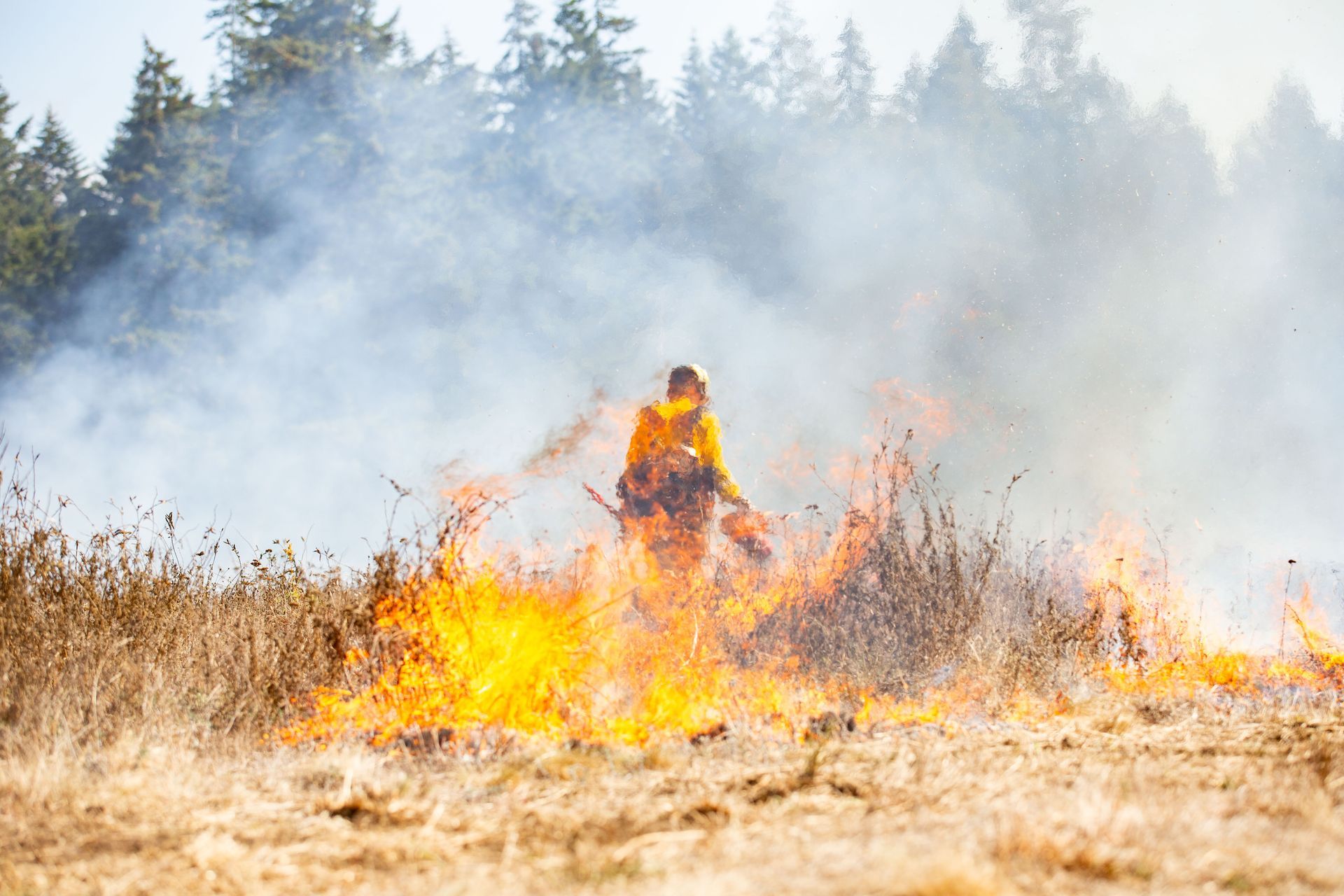
Come fall, other types of roots are gathered, deer and elk are hunted, and fire tending ceremonies are held (see our story on PRI’s Indigenous-led burn
here). “Those burns are feeding nutrients and setting the stage for next season's emergence,” says Crofoot. Emergence cycles, she explains, depend on the type of prairie habitat and occur every two to seven years. That work, she says, returns energy back down to the roots by allowing camas to absorb nutrients from the burnt soil, feeding it for the next season.
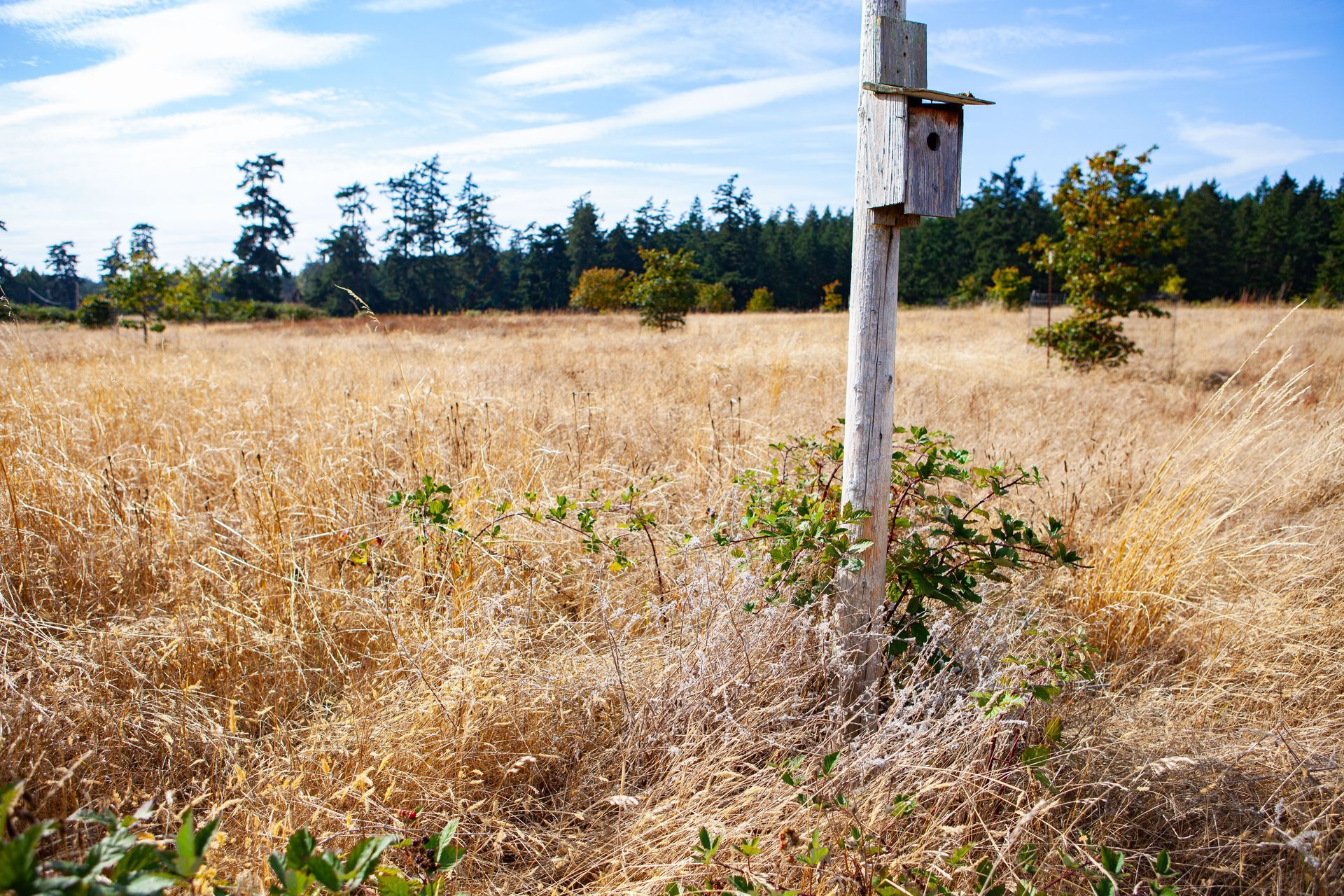
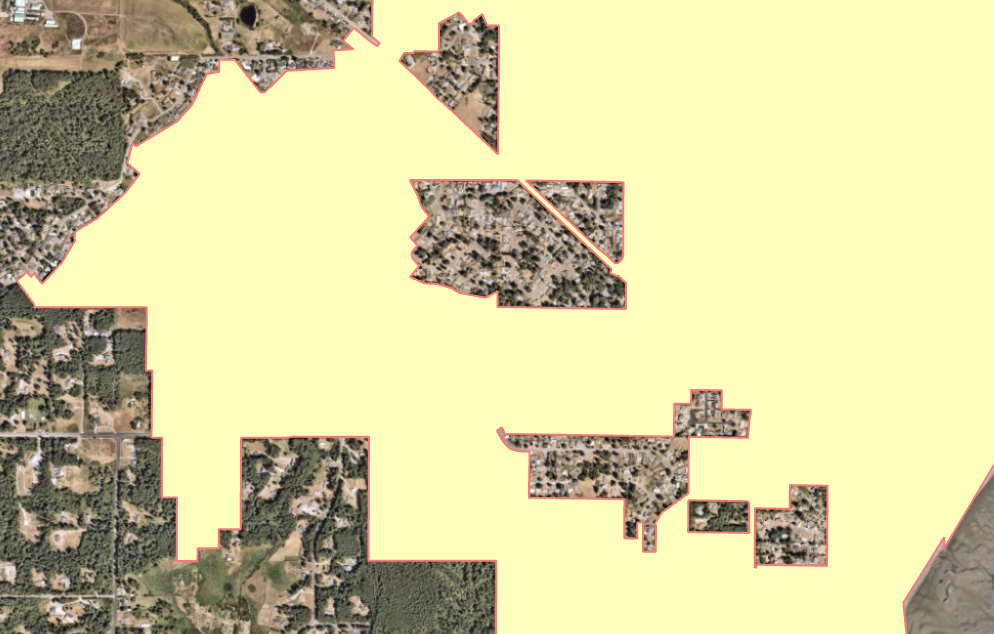
Roughly 3% of Washington state’s native prairie exists today. Prairies have suffered both the loss of biodiversity and cultural connection. “Our treaty agreements were not just like social and political events; they were cultural and environmental events because the people who sustained healthy ecosystems were removed from the landscape,” Crofoot says. “As Indigenous people, we are a keystone species of our traditional homelands who serve diverse and important ecological services and functions.” The removal of Indigenous people from their land during the 1850s through the Stevens Treaties had grave repercussions, including for prairies and plants like camas. Crofoot explains that, by removing Indigenous stewardship, the ensuing habitat degradation, loss of species, and structural shifts were profound. “Camas prairies tended to be some of the first and most heavily impacted because they supported prime grazing and were open lands that required less work to cultivate.”
Settler agriculture introduced sheep, which led to overgrazing and the trampling of native prairie plants. Cattle soon followed, exacerbating the pattern, and growing with each population expansion of colonization. “We see just diminishing and diminishing acreage of prairie habitats that were traditionally managed,” says Crofoot of this era, “and then layered within that, the habitats that remain become less and less accessible to Indigenous people.”
Rights for tribes to co-manage and harvest on their traditional lands were largely unaltered until the mid-1970s.
The Boldt Decision of 1974 is one such famous example, which reaffirmed fishing rights based on language in Article 5 of the Treaty of Point Elliott: “The right of taking fish at usual and accustomed grounds and stations…" and Article 3 of the Treaty of Medicine Creek: “...in common with all citizens of the Territory…” which were interpreted as guaranteed rights to harvest on traditional lands with a 50% share of the harvest, respectively. And while the restoration of these rights were essential, a lot can happen in a century: “There's a 100-plus year gap of these habitats being neglected of the care that sustained them for 8,000 plus years,” says Crofoot. Though laws changed, there was no quick fix, with the push to establish access and co-management continuing. “But since that time, we have started seeing growing acreage of conserved and restored camas habitat,” says Crofoot. She explains that things are finally moving in the right direction, with increases in prairie habitat health as well as the expansion of tribal involvement in land management decisions and access to lands outside of reservations for traditional foods and medicines.
Camas was, and remains, an important food staple, which is why access to where it grows is key to Indigenous food sovereignty. Its root is rich in inulin, a soluble fiber and carbohydrate, as well as iron and calcium. “We do have this food system that has been passed down to us that we know sustains healthy tribal communities,” says Crofoot, who notes that though it is nice to see Western science confirm the nutritional benefits of traditional foods, it is not the primary framing. “We’ve had this long data set through intergenerational transmission of knowledge that we were able to rely on that said these are the foods that are healthy and that sustain our people.”
Besides being a nutrient-dense plant, camas is also just darn delicious! “They go in white,” says Crofoot of the cooking process, “and when they come out of the pit, they are almost like a jewel red.” Resembling an onion, she describes how cooking breaks down the inulin into a digestible carbohydrate, caramelizing through a method of low and slow heating. “It’s almost like a sweet roasted onion, except that it doesn't have the sharp oniony flavor. It might be more like a sweet potato flavor with the texture of a baked onion.” The roots can be eaten once they are done roasting, or they can be dried out and used later in the year for soups, as well as made into a mash for baby food or flour for flatbread.
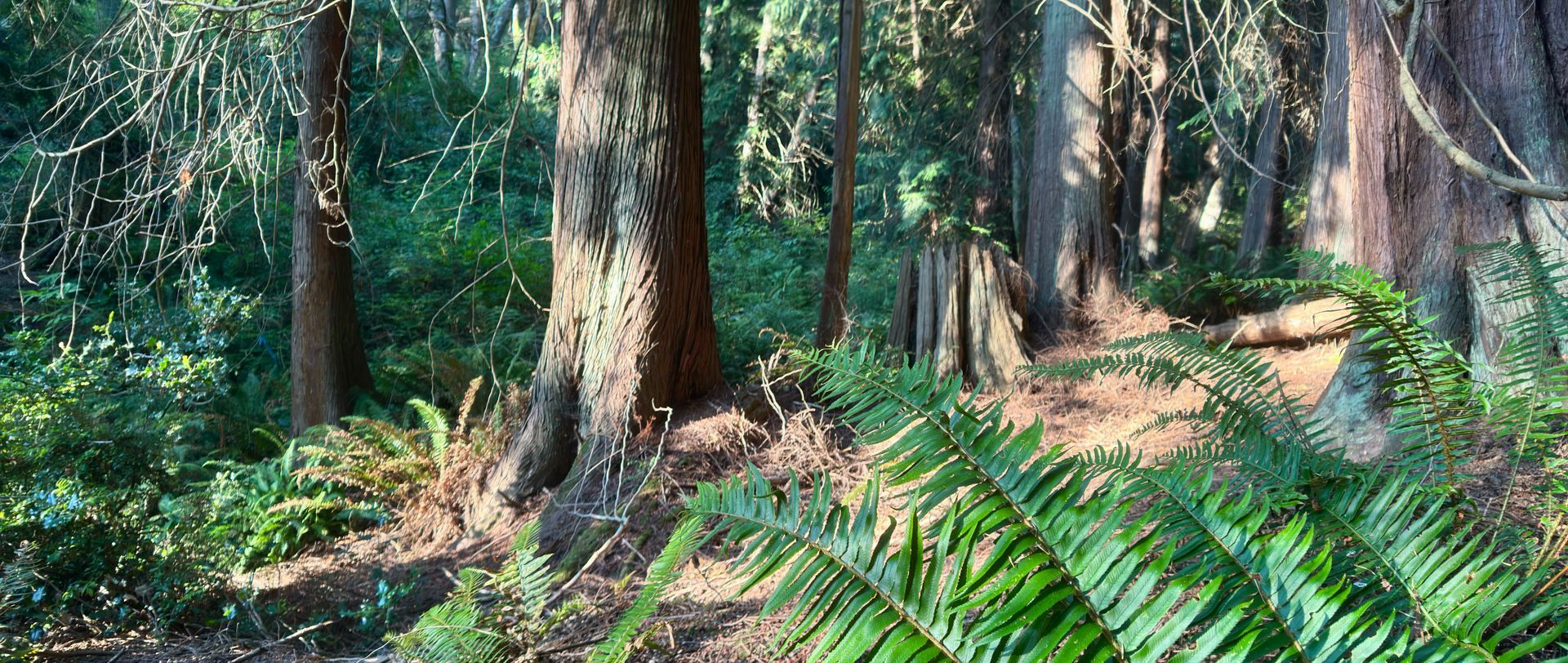
Camas root can be cooked in bentwood boxes, filled with water, simmering over a few days, but the most common method in the Washington area is to bake the roots in a fire pit. It is a laborious process lasting around three days. “Typically, the prairies of the Puget Sound region were managed by the women, and the women were the ones that were responsible for properly taking care of that food, and of the food in general within a community,” says Crofoot. Once harvesting concludes, camas roots are cleaned, with some allocated to roasting for immediate enjoyment, for ensuing feasts, or for drying. To roast, a pit is dug a few feet deep, while a fire heats rocks to line the pit’s base. The camas is wrapped in skunk cabbage leaf bundles to be placed in the pit, sandwiched between other vegetation such as bracken and sword ferns, and then covered with dirt. The roots are cooked for three days with coals added to the top and water poured down along sticks that the pit has been built around to create steam inside. The vegetation and elements of the pit give the camas earthy, floral notes that add to its flavor.
“That's very hard work, because you have to be up 24 hours a day,” says Crofoot. “You have to keep feeding the coals. You have to keep watering your roots, and so somebody has to be tending that the entire time. And you have to have firewood available to be feeding the coal in. You've got wood cutters, you've got fire tenders, you've got people over making sure that there's water coming to the pit, so it becomes a village effort to really cook all of the roots that have been harvested off a prairie.” Crofoot says a family could harvest 300 pounds of roots a year.
If that process sounds a little overwhelming, there is a simpler way to enjoy camas: “It works beautifully in a crock pot,” says Crofoot. “We live in a busy world. We're having to balance connecting with our traditional foods with taking our children to their extracurricular activities and working our full time jobs.” Crofoot likes to put camas roots in a crockpot on low for a couple of days: “I can kind of set it and forget it. I just check my water temperature, make sure my water is staying in there, and I'm not letting it run bone dry.”
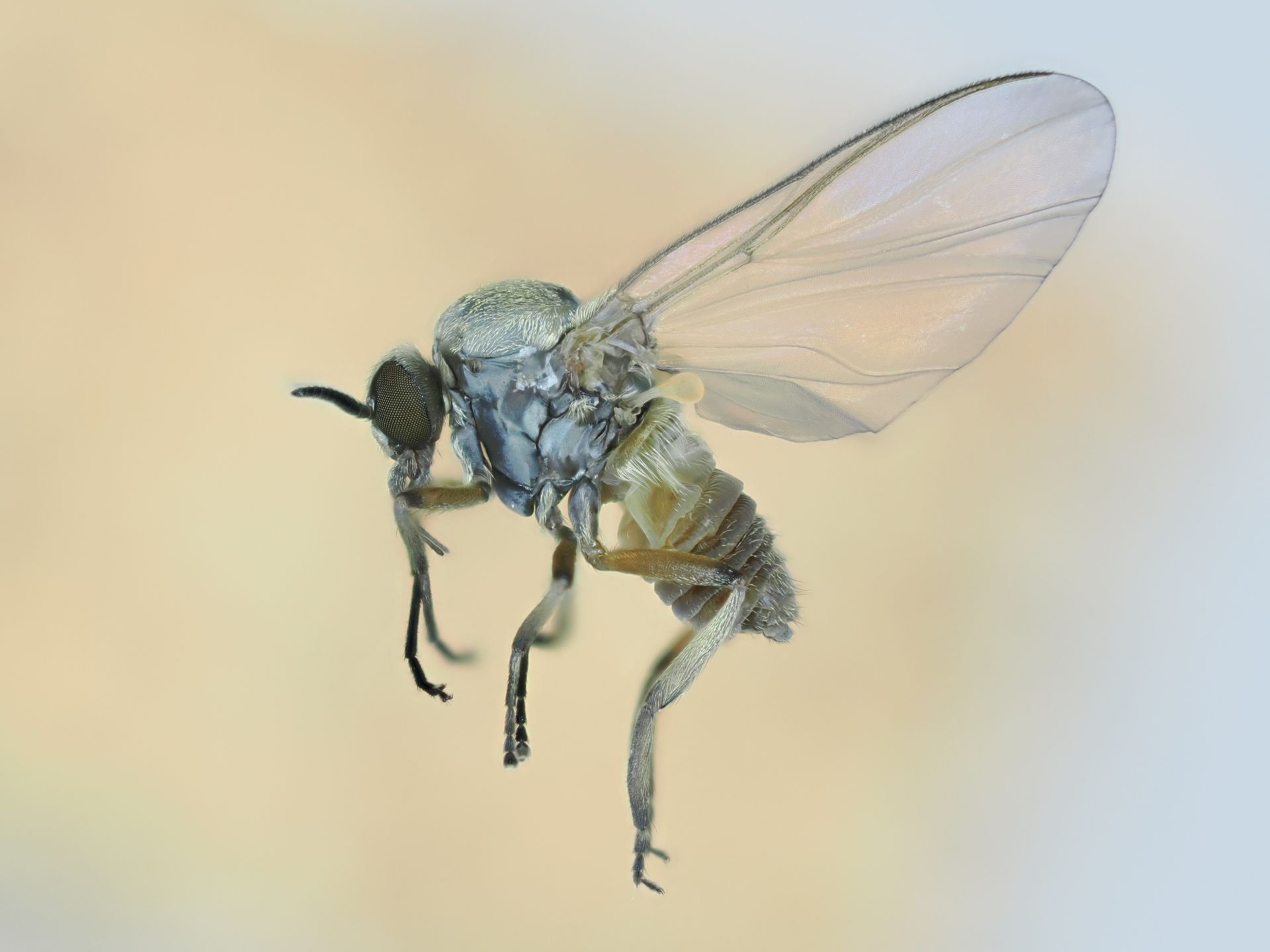
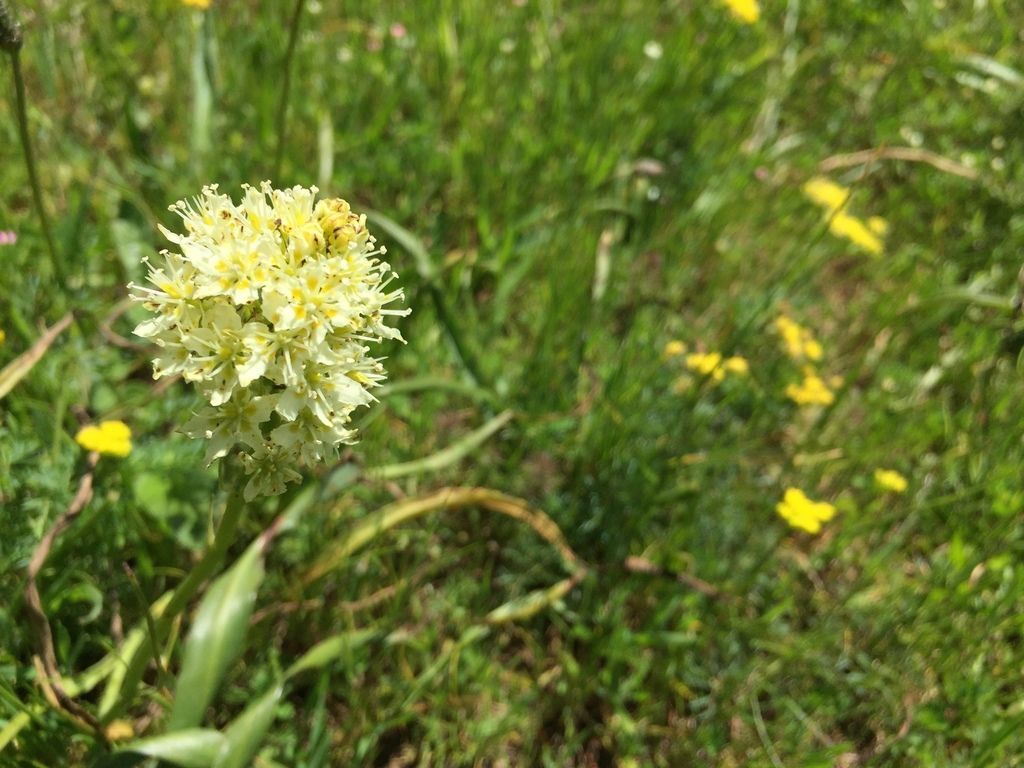
As with all wild foods, there are things to watch out for. Edible camas varieties have a doppelgänger, if you will: death camas. It’s just like it sounds, a toxic plant in the lily family resembling camas that can cause death if consumed. “Death camas actually has a white flower,” says Crofoot, “so, while they are flowering, it's very distinct which one is which, which is why the vast majority of people harvest in the spring.” Additionally, she says that the flower spike that grows on the top of the death camas looks different to the trained eye, forming a slightly different shape. “It's not a part of the traditional food system. It's a part of the complex habitat that supports different traditional foods and medicines that are part of our larger camas prairie complexes. We appreciate that everything has a place, and a space, and a role in community.” Crofoot points out that though humans and death camas may not depend on each other, there is a bee that has co-evolved with the death camas, being its primary pollinator and completing its lifecycle with the plant. It is aptly named the death camas miner bee, and both plant and bee play a critical role in the greater ecological web of the prairie.
Meanwhile, edible camas varieties play a key role in prairies, Indigenous food sovereignty, culture, and history. It may look like just another lovely wildflower in a field, but camas carries with it a real grit and resilience. Indigenous management and stewardship are ways to ensure camas thrive, but Crofoot also suggests that members of the general public get involved with local conservation districts and land trusts. “There are people out there working in this field or in this area of reconnection, restoration, revitalization, and we're always looking for more hands out in the field and to make community connections, because that's how we build networks of sustainability,” she says. That can look like offering digital promotion for a stewardship organization or getting out in the dirt.
More of a homebody? “Plant some camas in your yard,” suggests Crofoot, and learn about its biological and cultural importance. “The more people know about camas prairie habitat, and its cultural connections and ecological benefits, the more likely they are to advocate for them in their daily lives,” she says, “Just find a way to connect.”