The Prairies At Pacific Rim Institute Are More Than Just Surviving; They’re Thriving
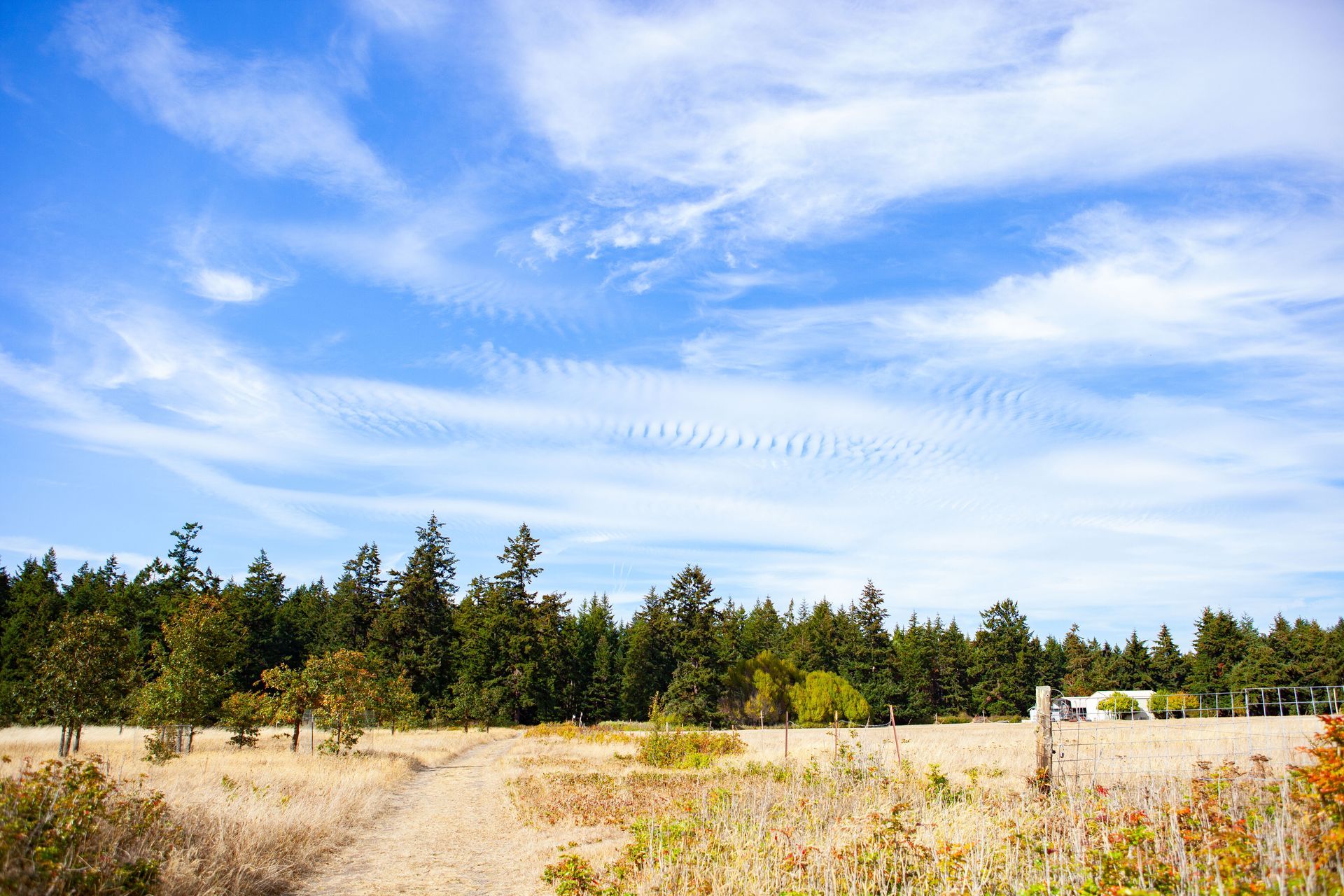
Prairies may not be the first environment you associate with a Pacific Northwest island, but their existence here on Whidbey Island is particularly unique: prairies are Washington state’s rarest ecosystem with less than 3% remaining. Formed by retreating glaciers, the prairie land found within Pacific Rim Institute For Environmental Stewardship’s (PRI) 175-acre campus is a tale of survival.
Whidbey Environmental Action Network’s cofounders Steve Erickson and Marianne Edain, as well as scientists like Chris Chappell, concluded in the late 1990s that the land now held by the Pacific Rim Institute was home to an abundance of rare plant species consistent with being a native prairie remnant, meaning it had never been used in settler agricultural practices. In other words, the remnant survived colonialism. In 1945, the state purchased the land to raise ring-necked pheasants for hunting, and the prairie survived—though its inhabitants on the game farm were not as lucky.
By 1999, the farm was vacant, and Washington’s Department of Fish and Wildlife wanted to make up for a shortfall in the state's budget by selling the prairie to the highest bidder—a.k.a. a residential developer who intended to carve it into subdivided lots. The prairie once again survived, this time through community action—WEAN’s filing of a civil lawsuit and neighbors and scientists mounting a public campaign to save it. The outcry was picked up by Representative Kelly Barlean, who wrote a bill with a condition in place: the DFW could sell the land, but only to a buyer whose purpose was conservation. That buyer turned out to be Au Sable Institute, who later sold the property to the newly formed PRI in 2009.
Even then, the prairie’s fate remained uncertain. Cuts to funds PRI had relied upon, both in the state budget and by the Department of Government Efficiency under the second Trump administration, threatened its survival yet again—that was until August 11, 2026. That date marks the culmination of collective, longstanding efforts to save the 10,000+ year-old prairie with permanent protection through a conservation easement held by
Whidbey Camano Land Trust. “This conservation easement has been in the works since the early 2000s,” says PRI’s Restoration Ecologist, Lana Rasmussen. Primarily funded by the U.S. Navy, with additional funding from Island Transit, the prairie is located near the Navy’s Outlying Landing Field. Both the Navy and PRI benefit from the possibility of residential and commercial development being permanently precluded.
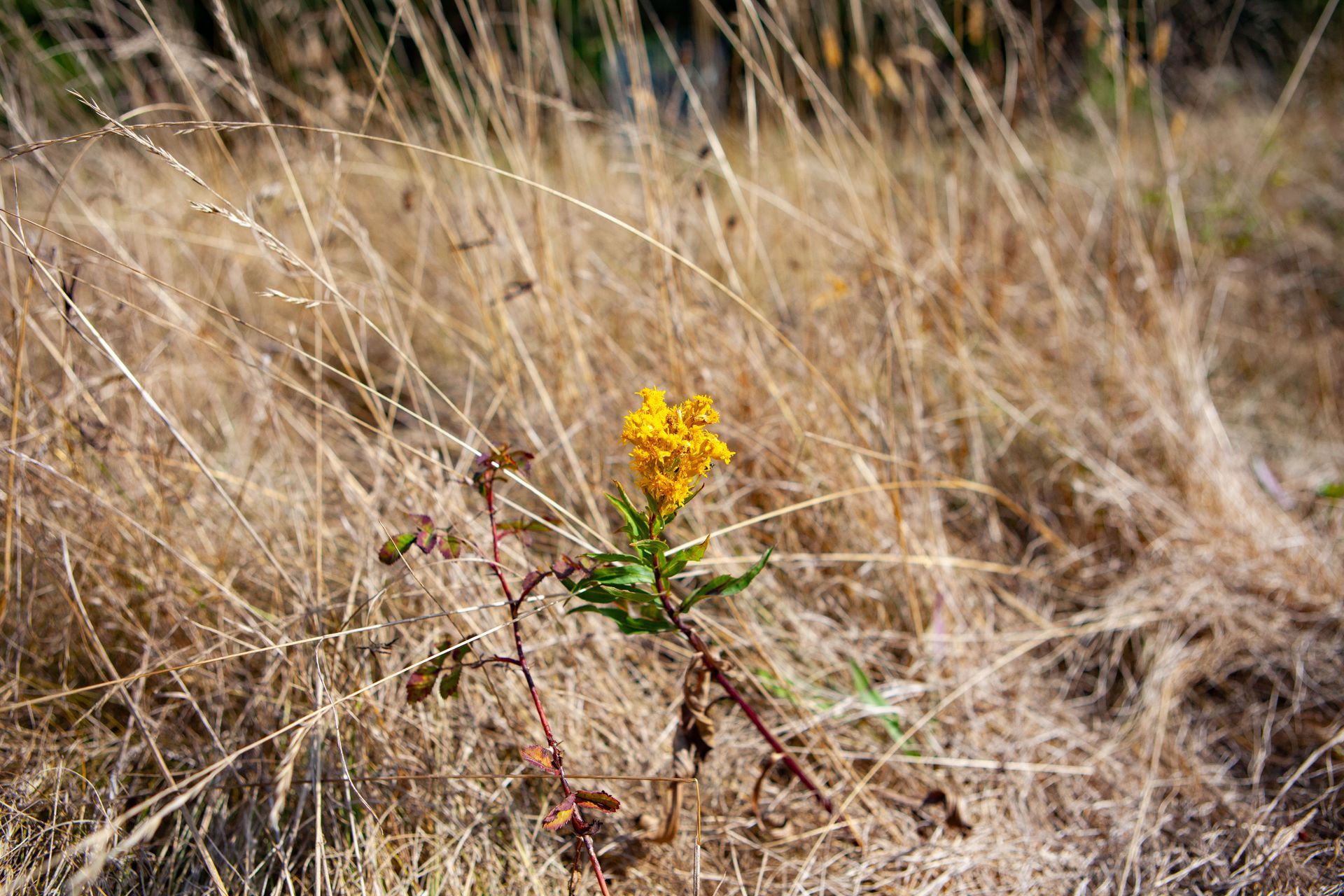
From afar, the prairie may look vast and empty, but up close it’s teeming with life. Rasmussen says there’s at least 75 different native prairie plant species at PRI that include everything from the “shooting star” flowers that Erickson found while out in the prairie in 1997 (“It's a very pink flower with a yellow tip, and is inverted,” says Rasmussen) to prairie grasses, camas, Garry oaks, Oregon grapes, golden paintbrush, showy daisies, chocolate lilies, and woolly sunflowers. The prairie is home to birds such as chickadees, barn owls, and eagles, and many more. Additionally, PRI’s Native Plant Center nursery provides further propagation through its sale of seeds and starts to the public.
Restoring the prairie is hard work, done by a small staff assisted by volunteers. “We have to go with the plants. We can't go on our own timeframe,” Rasmussen explains. Typically seed collecting happens at prime times, such as spring and summer, with the slowness of winter providing a chance to seed clean. But as climate changes, so do plants, and if they bloom early then the work follows suit.
Nature is sometimes framed as an absence of human beings. And human beings, directly and indirectly, are often behind its perishing—but people are part of nature. More than that, they can play an important role in an environment’s survival and ability to thrive. The prairie at PRI thrived for thousands of years because Coast Salish tribes worked with, instead of against, its unique nature. Glacial outwash prairies of our region are anthropogenic ecosystems that would not exist in this form without generations of tribal stewardship through prescribed burning.
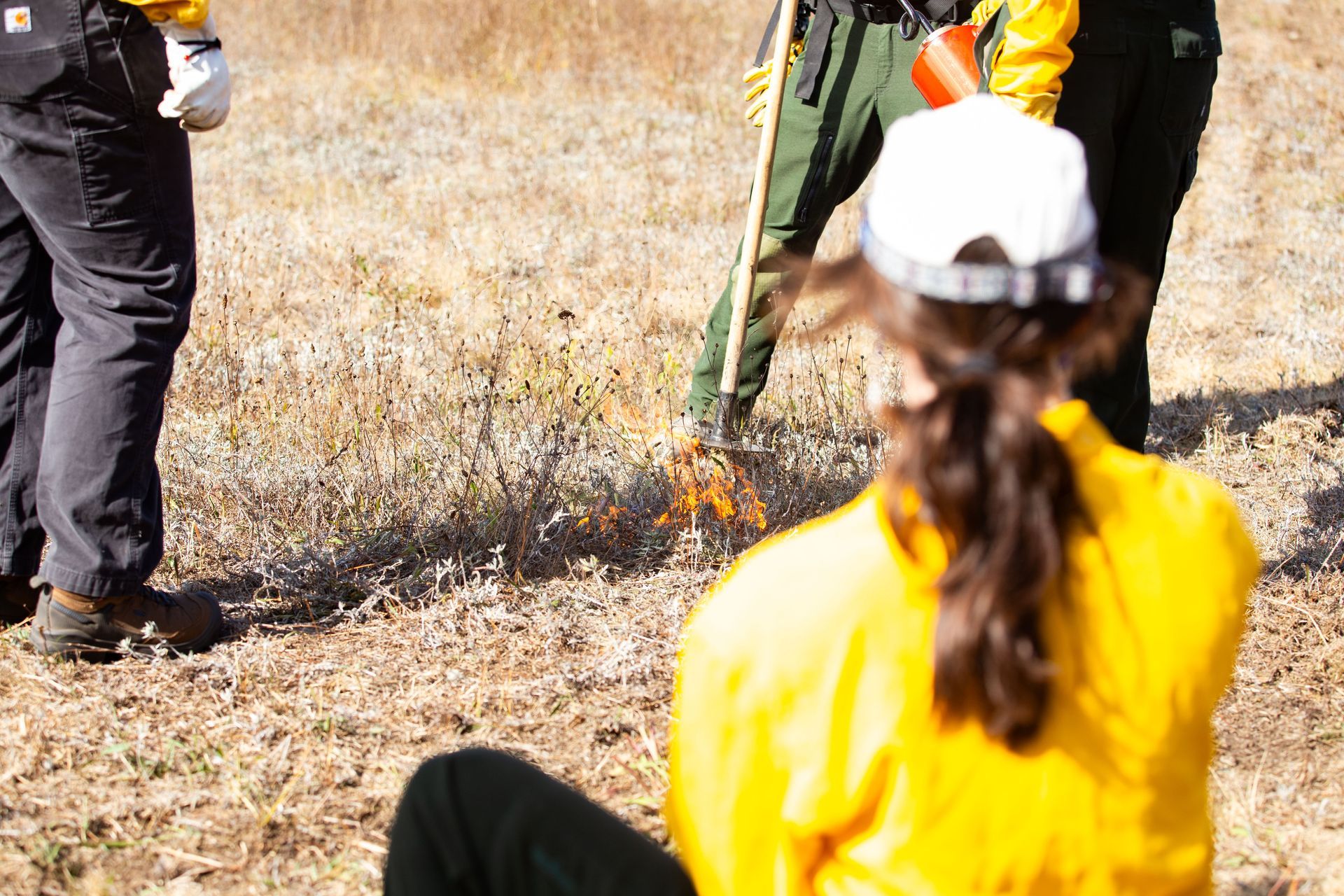
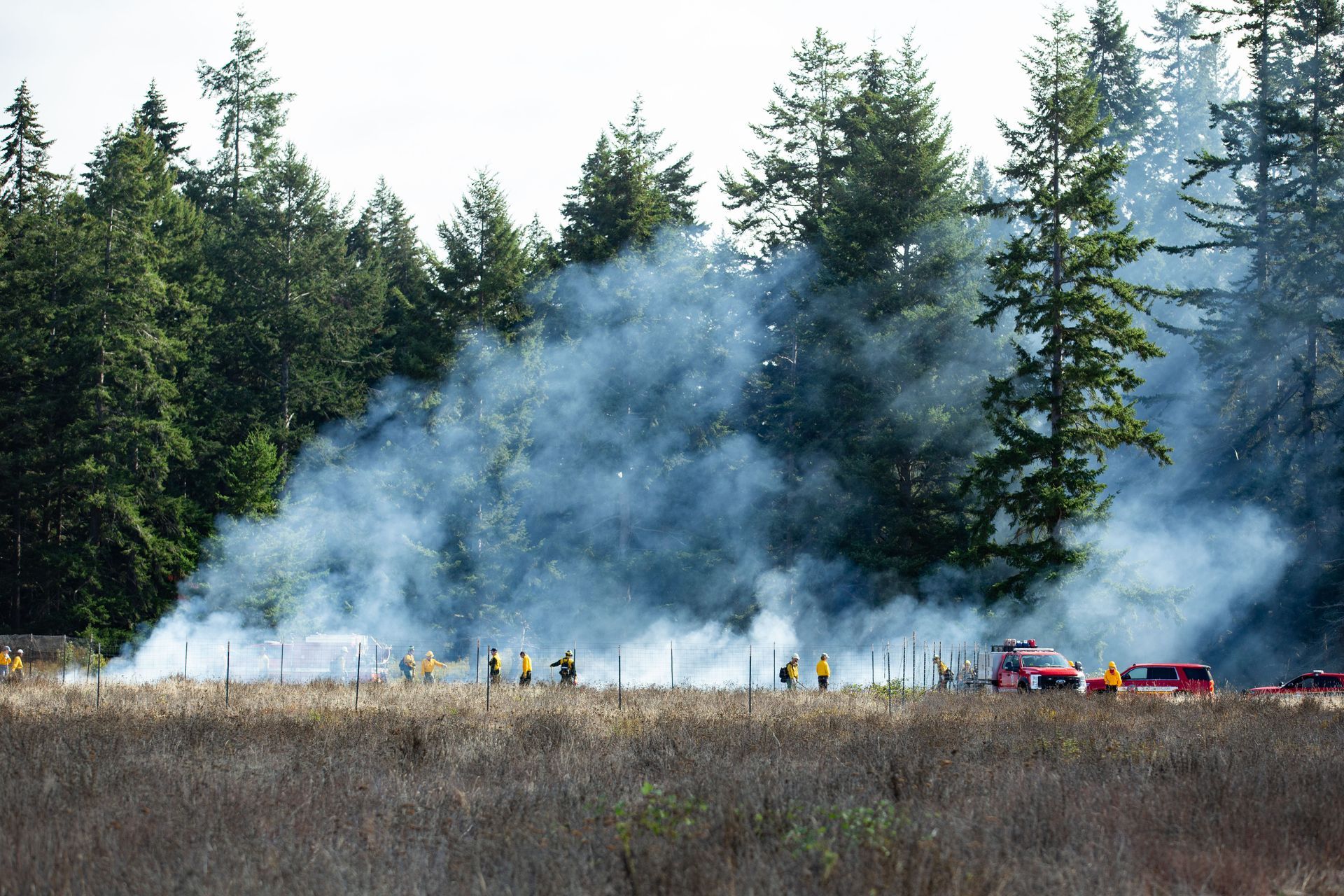
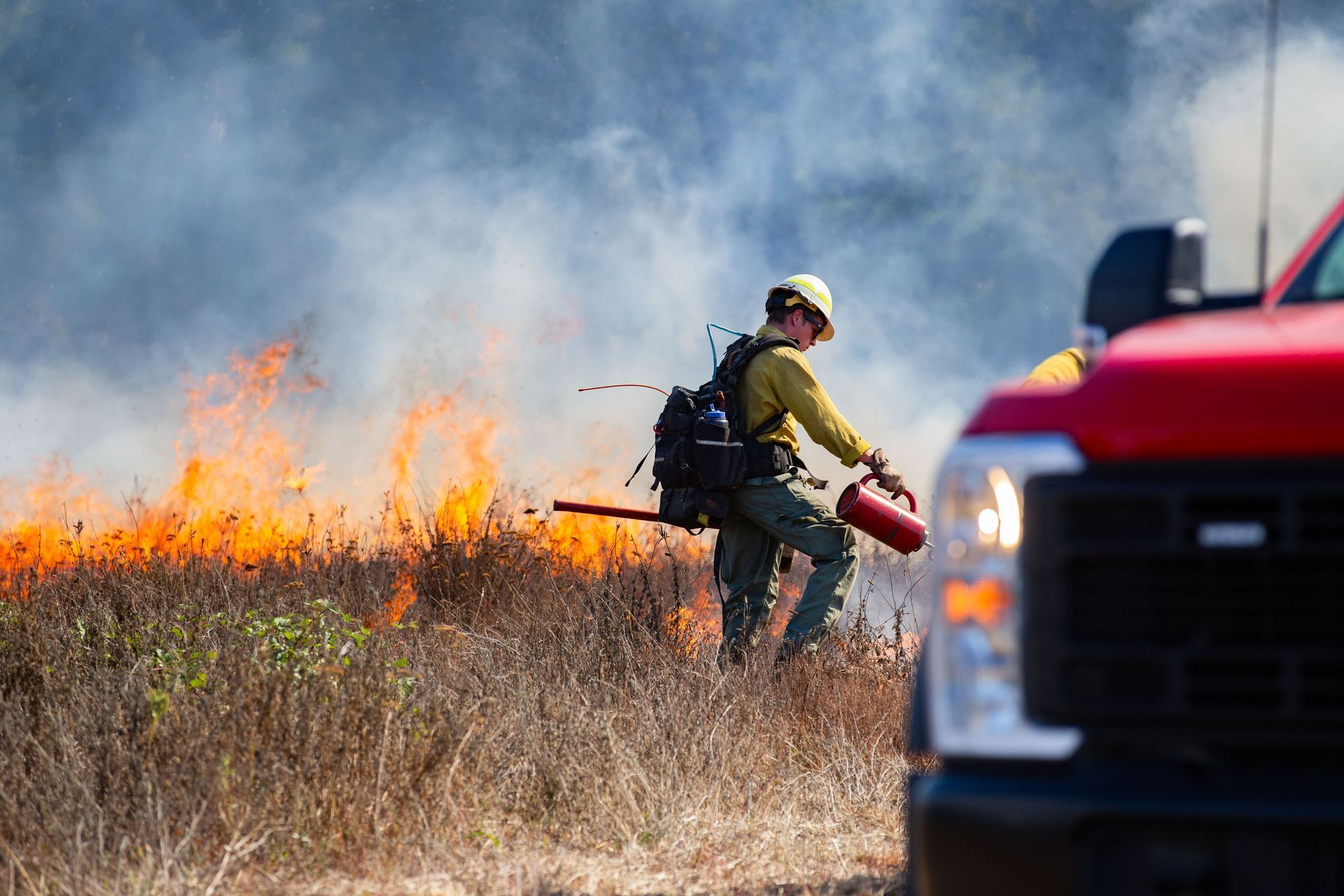
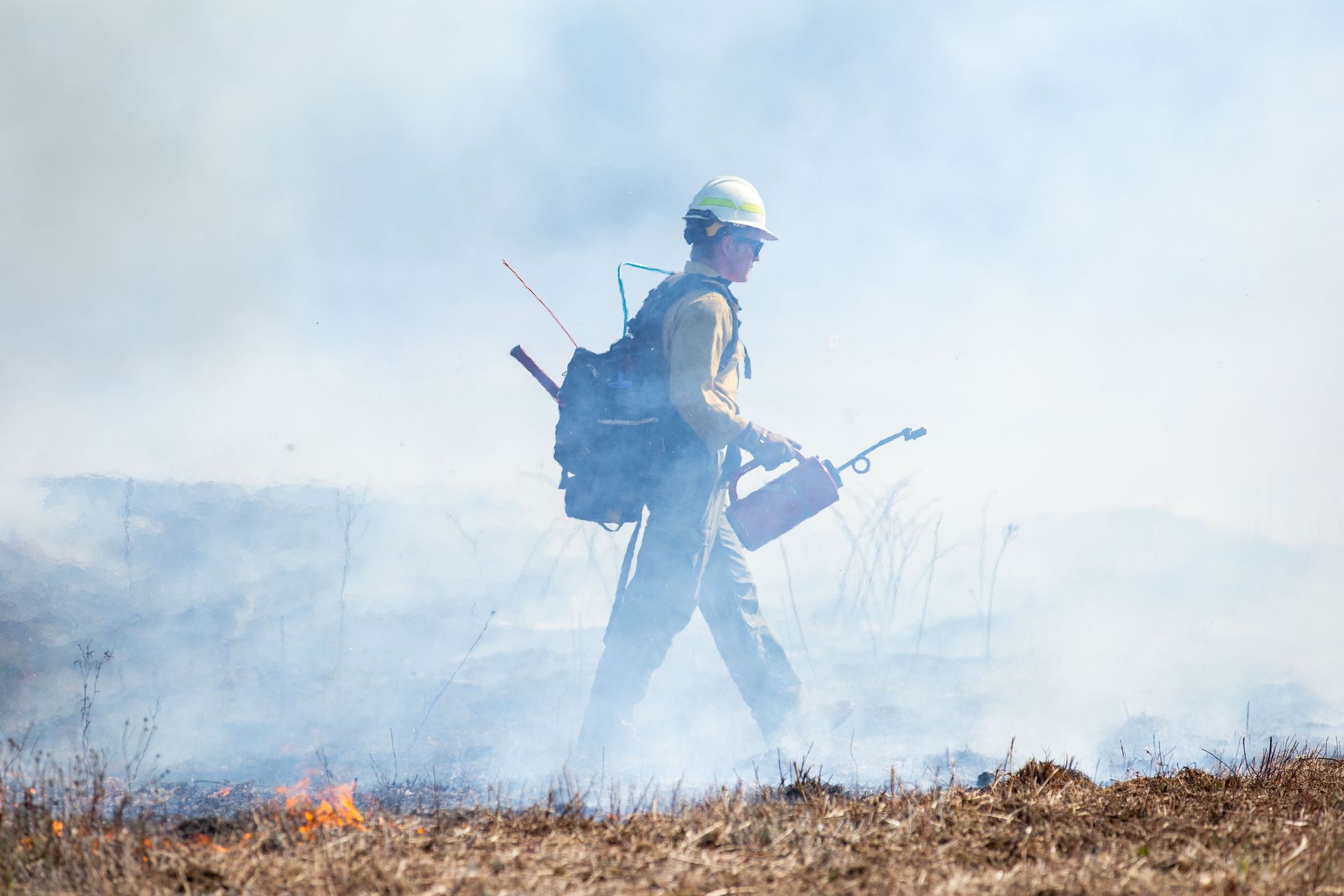
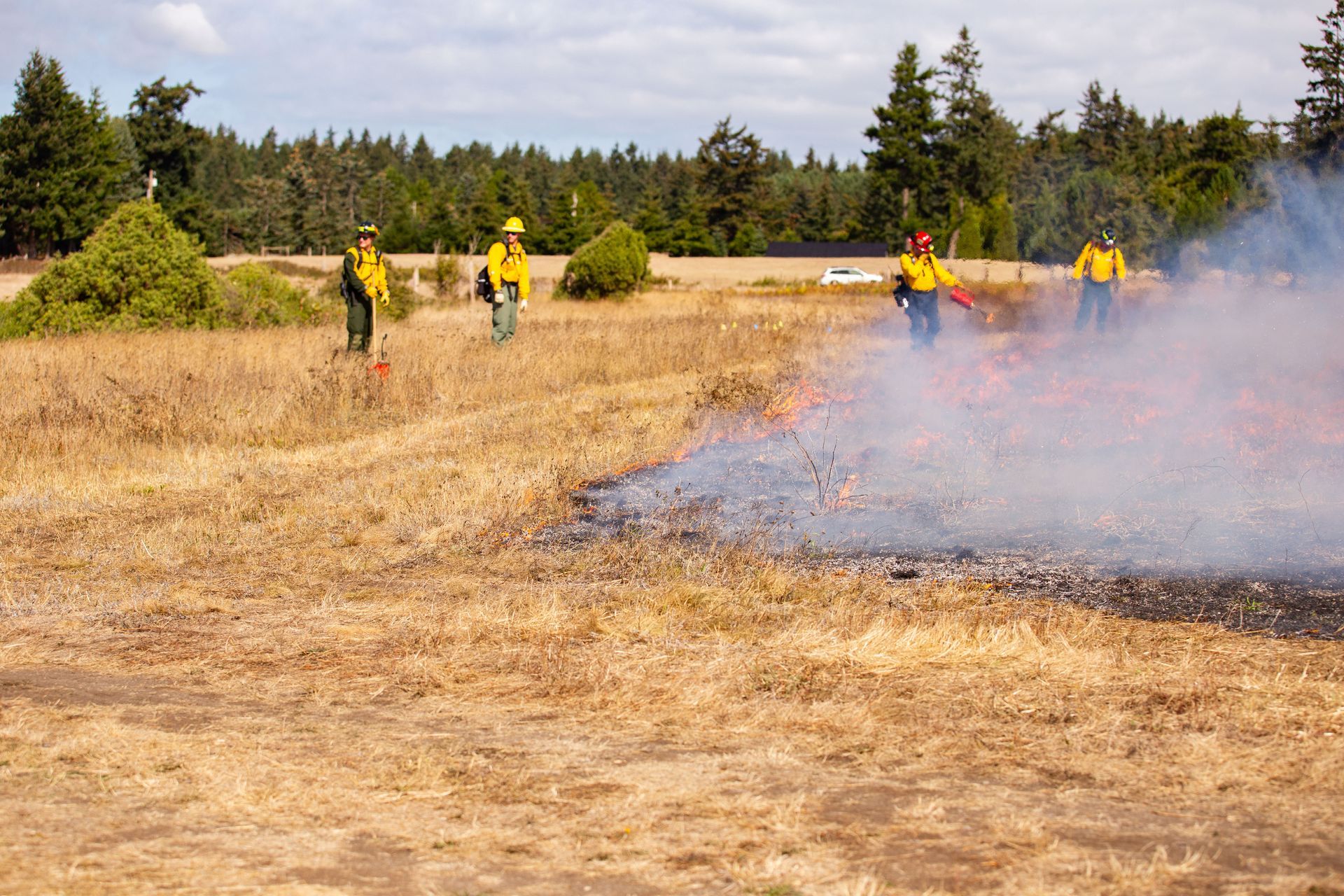
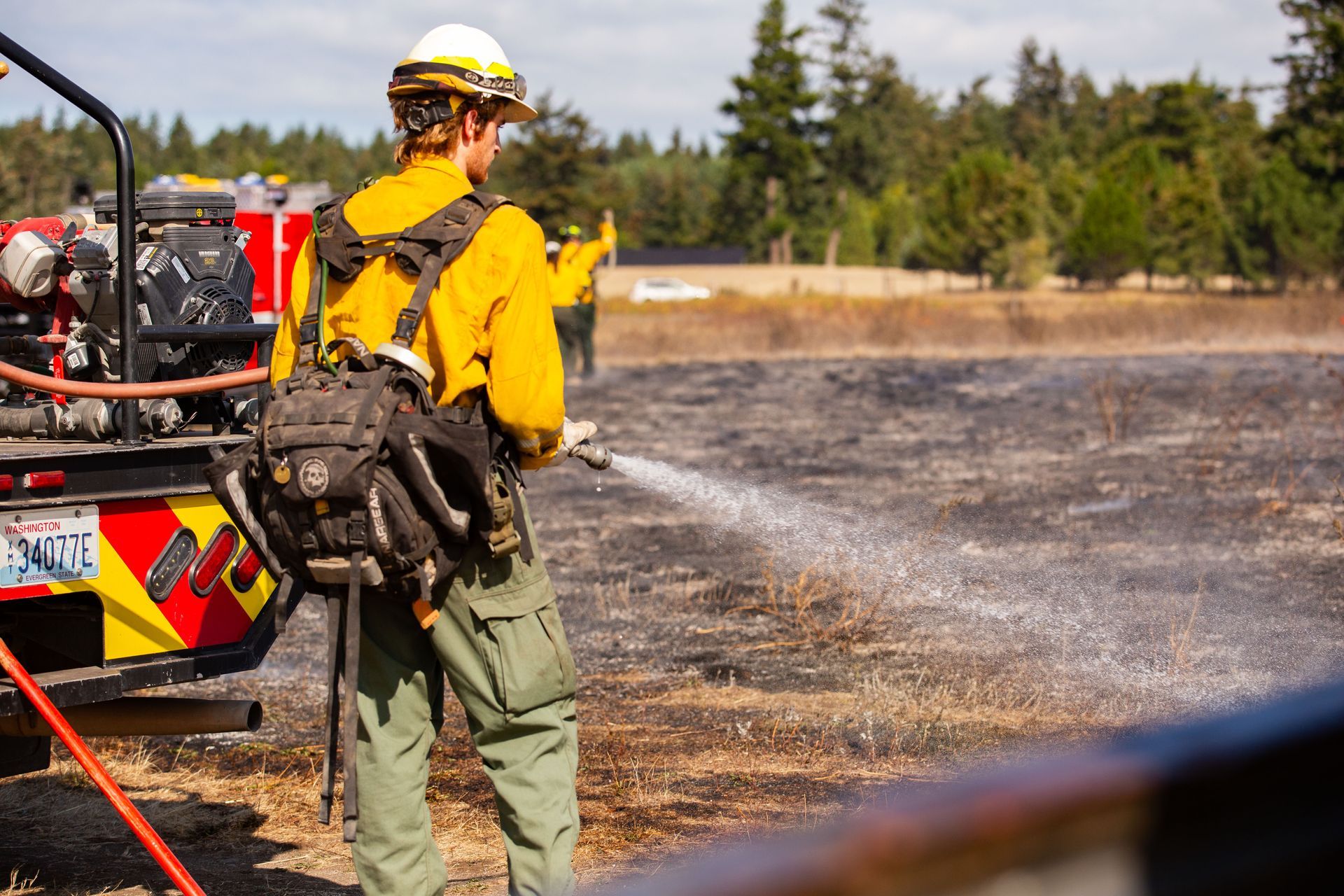
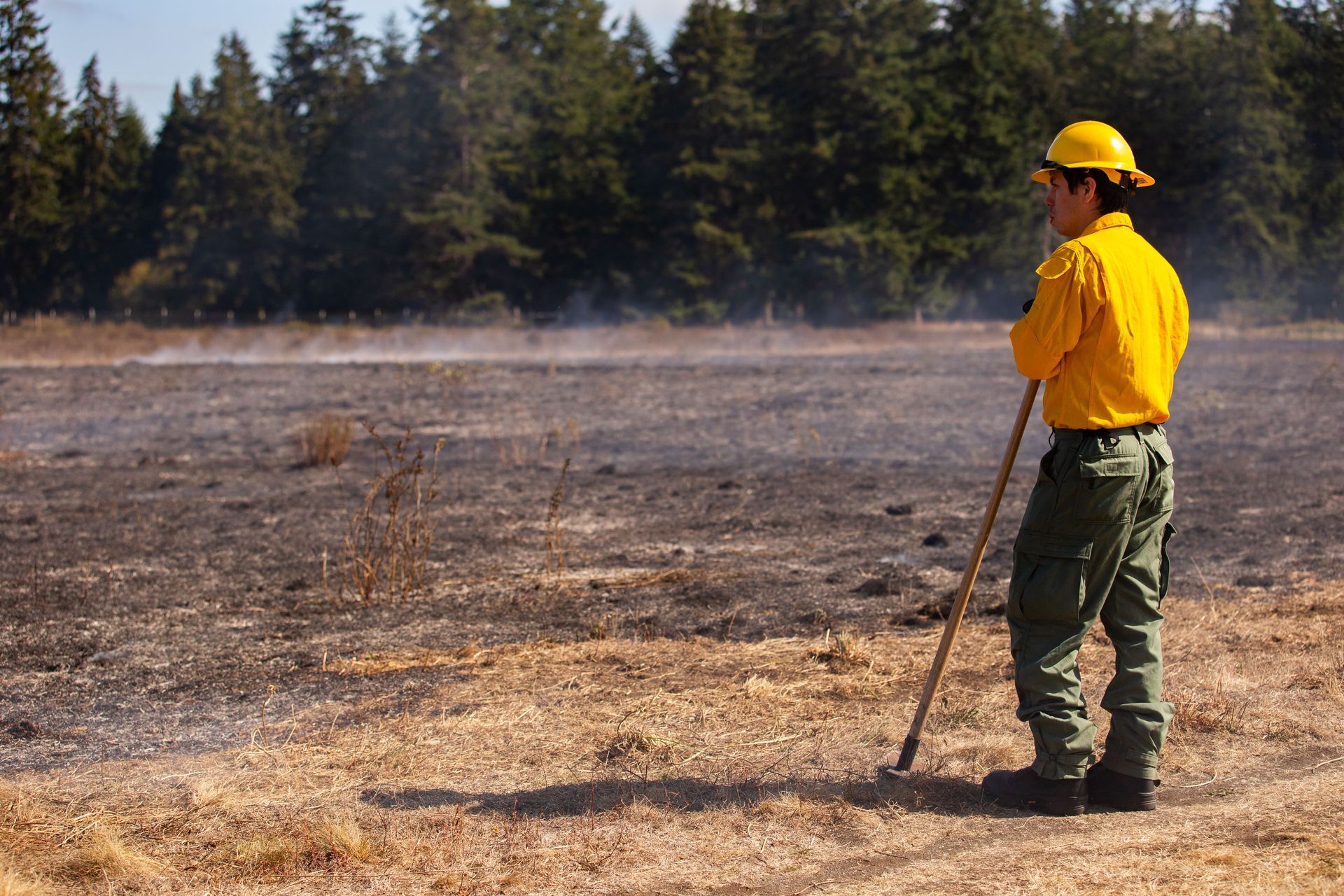
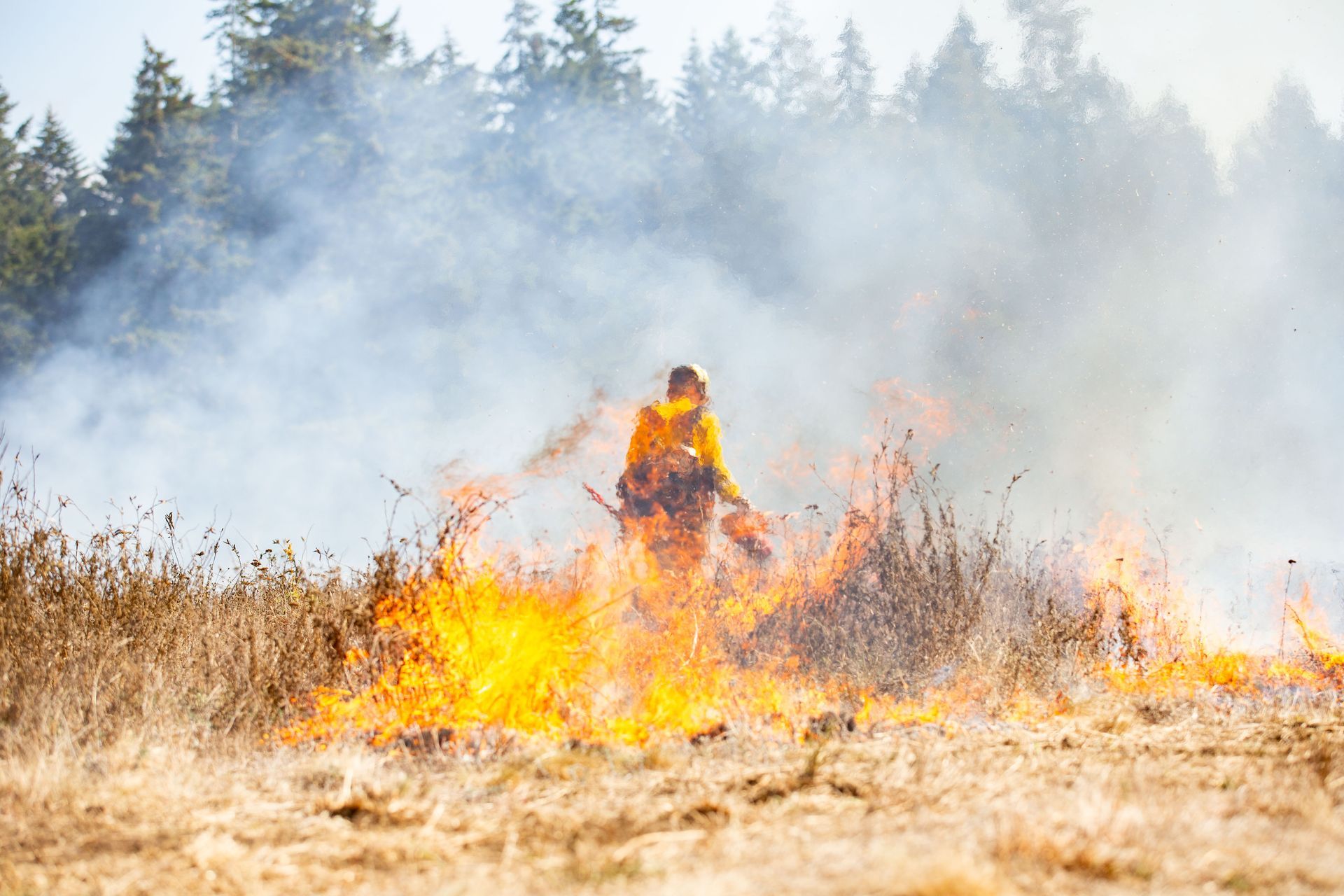
On September 10th of this year, team members of PRI, as well as Central Whidbey Island Fire and Rescue, Whidbey Camano Land Trust, Coast Salish Youth Coalition, tribal members, PRI neighbors, members of environmental organizations, and Nia Martin from WEAN (authoring this piece), all gathered in the late morning to participate or observe PRI’s first Indigenous-led ignition in the organization’s history. CSYC’s Emma Kortuem made introductions and a ceremonial song was sung by Raven, a member of the Lummi nation. Lindsey Crofoot, who teaches at Northwest Indian College Tulalip, said “Fire is not a tool, fire is a spirit,” and related a conversation with her grandmother about how our current, destructive wildfires are akin to a person that has been starving and finally gets the chance to eat. Without prescribed burns to regulate a fire’s appetite, it feeds itself boundlessly.
Fire is also in direct relationship with food: “One of the main purposes of prescribed burning was to keep that native ecosystem of foods intact without the forest edge encroaching,” says Rasmussen, explaining that fire maintains the very specific conditions needed for edible plants like camas bulbs and chocolate lilies to grow and be harvested.
According to Whidbey Camano Land Trust’s Stewardship Specialist, Kyle Ostermick-Durkee, their prescribed burn plan happens in cycles every three to five years, with a rotating burn taking place every year on different sites, creating a mosaic. Knowing the exact window to pull off a controlled burn requires patience—much like the plants at PRI dictate the work of seed collecting, the wind, humidity, temperature and fuel conditions dictate the burn window. It’s yet another example of the cooperative relationship needed between people and the environment.
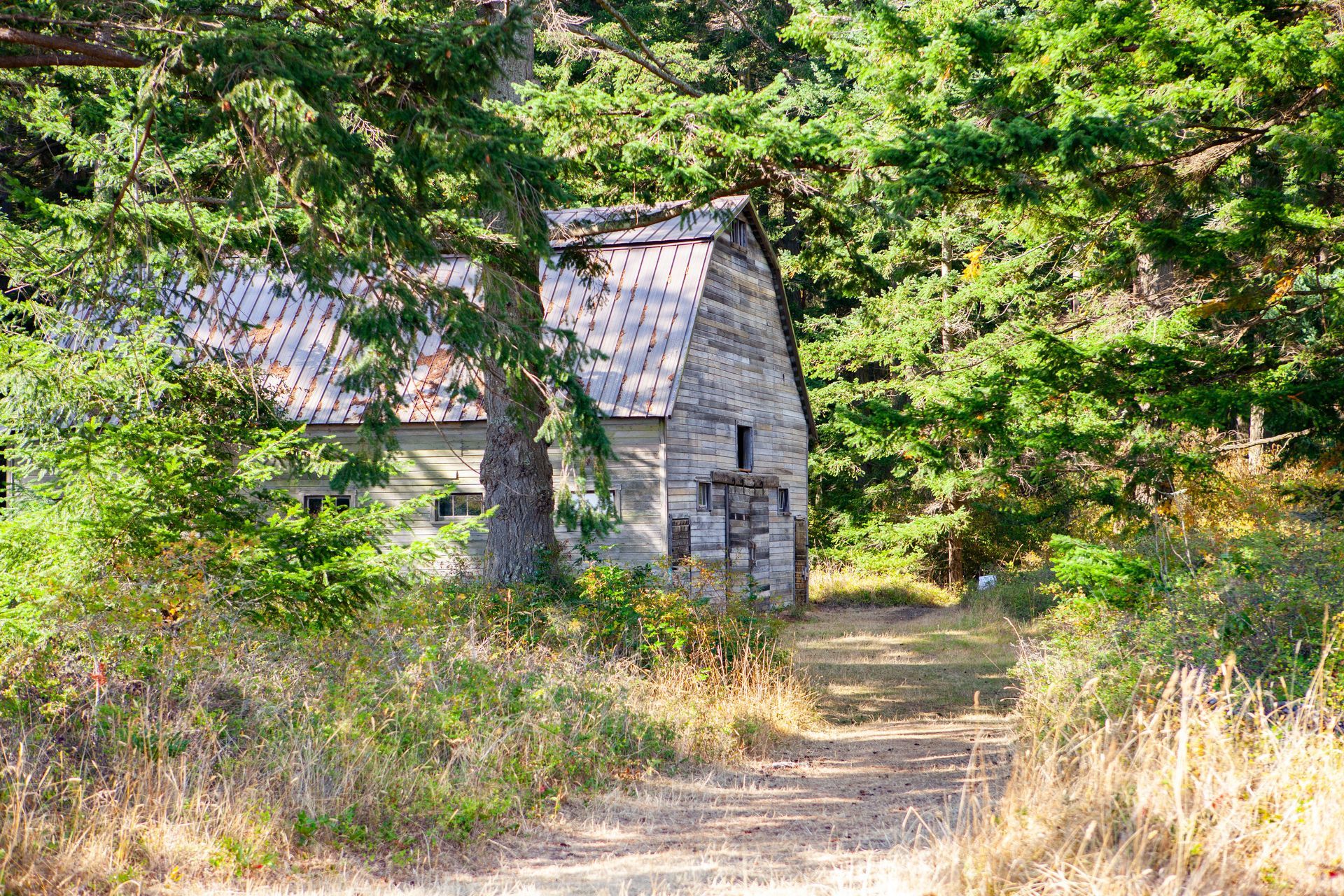
Looking at the past and present of that relationship, it’s impossible not to connect the dots: wildfires are increasingly destructive now because they have not been fed through prescriptive burning. Controlled fires have been withheld because the people that practiced and understood them were forcefully removed through various measures, including the Treaty of Point Elliott in 1855. The physical separation of a significant number of people from their ancestral lands resulted in the loss of knowledge and proper care of that place, as well as a relationship that was mutually nourishing and essential for the plants, animals, and human beings who call the prairie home. If we know one thing about the web of life it’s that to alter one part of it is to alter the whole thing.
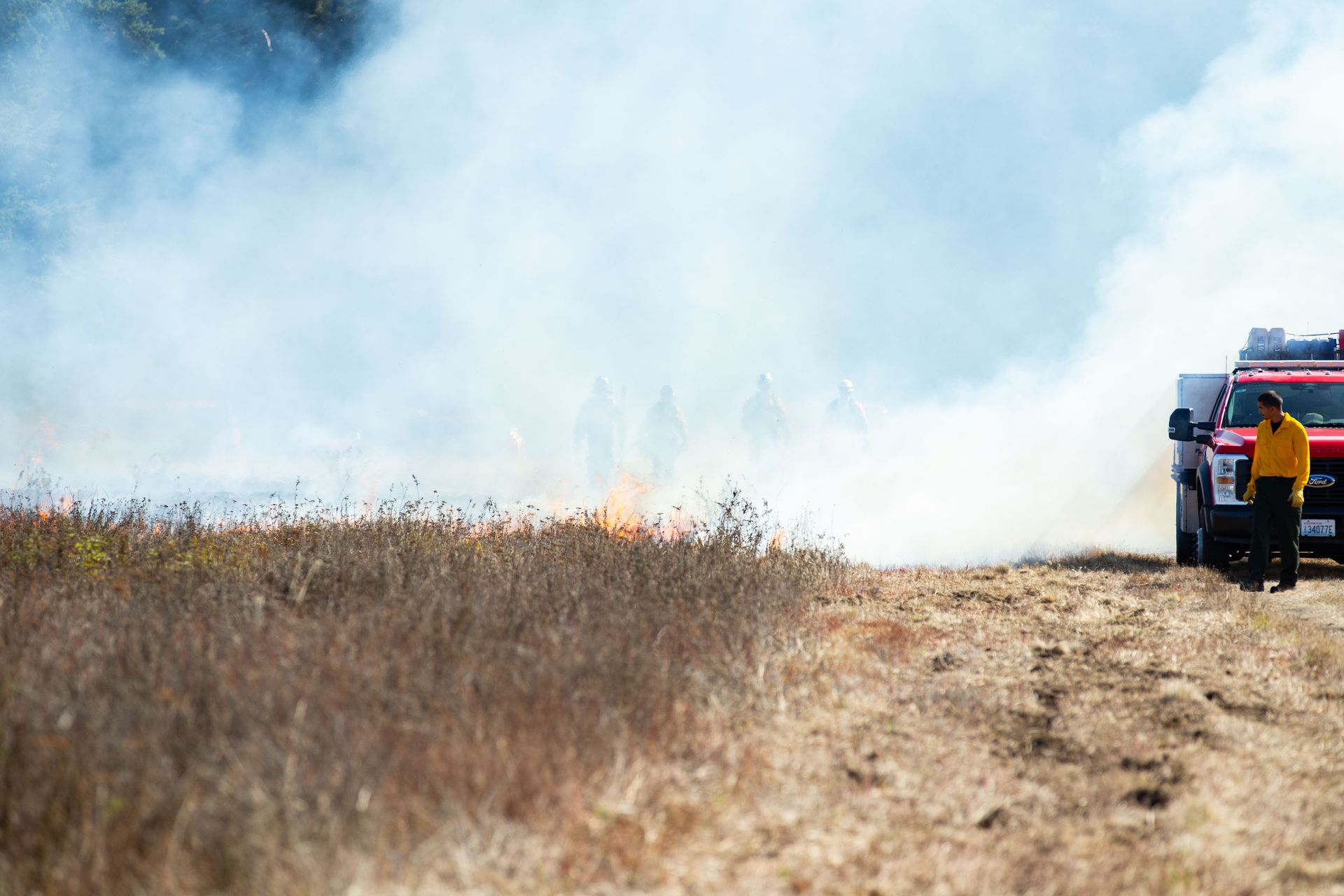
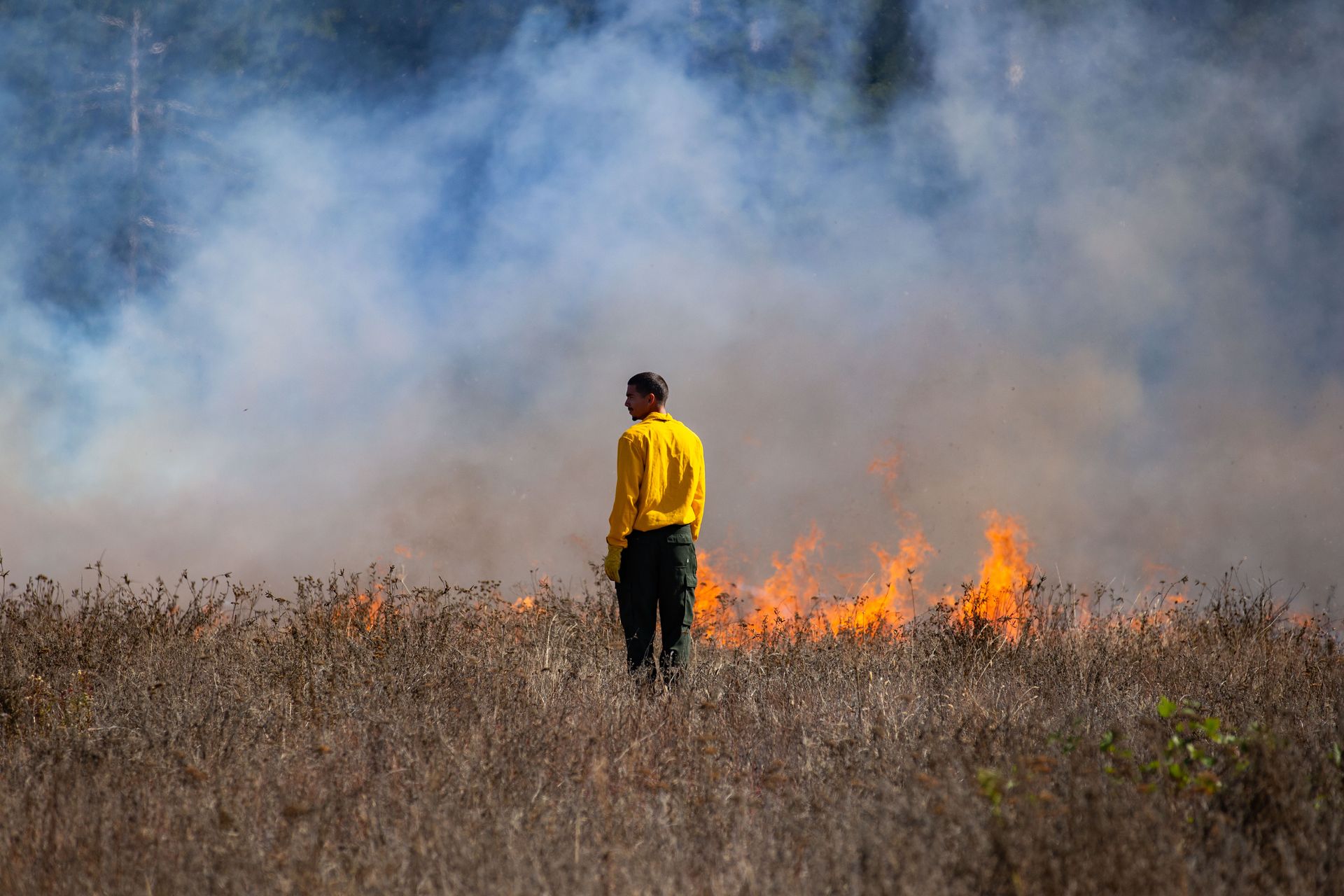
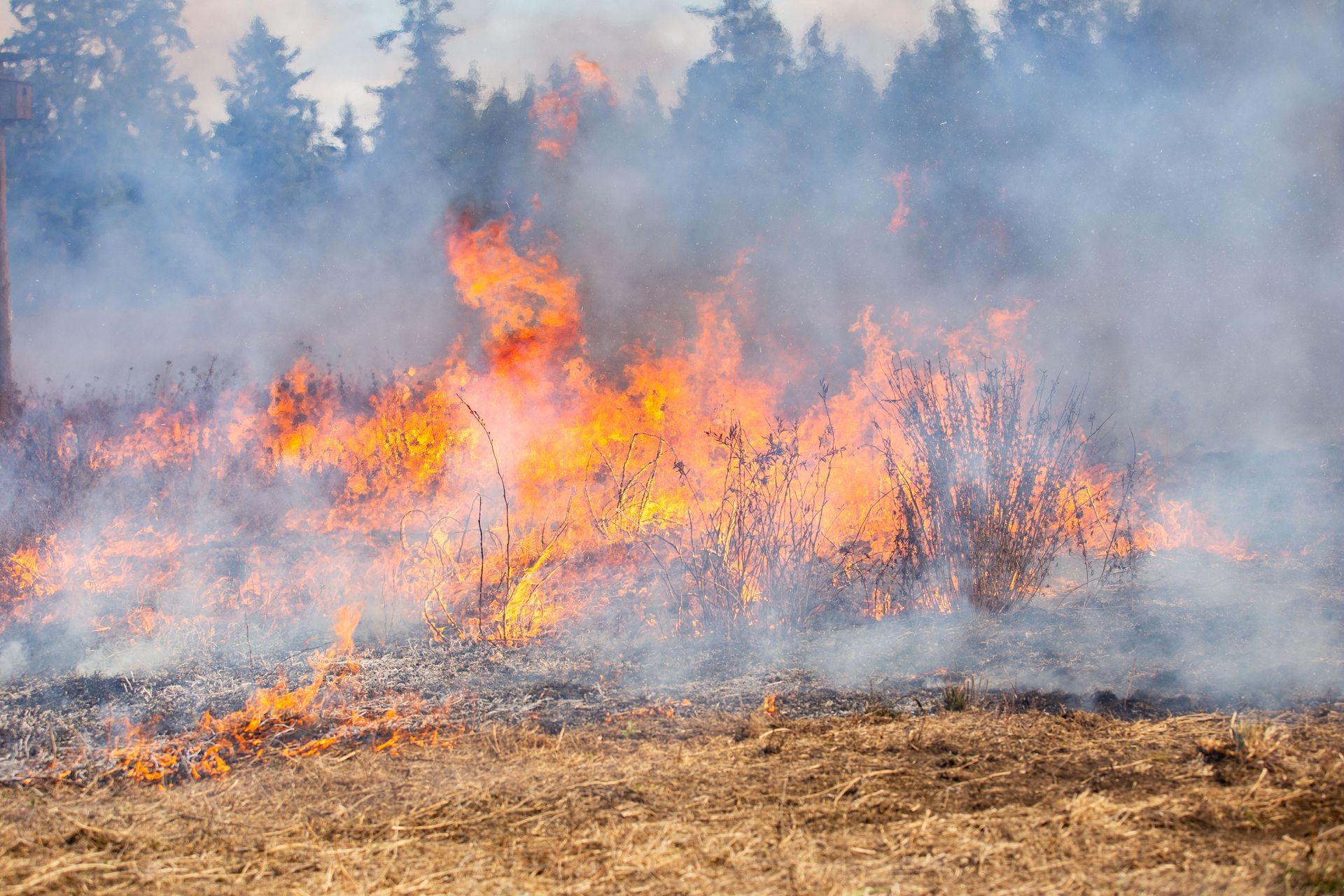
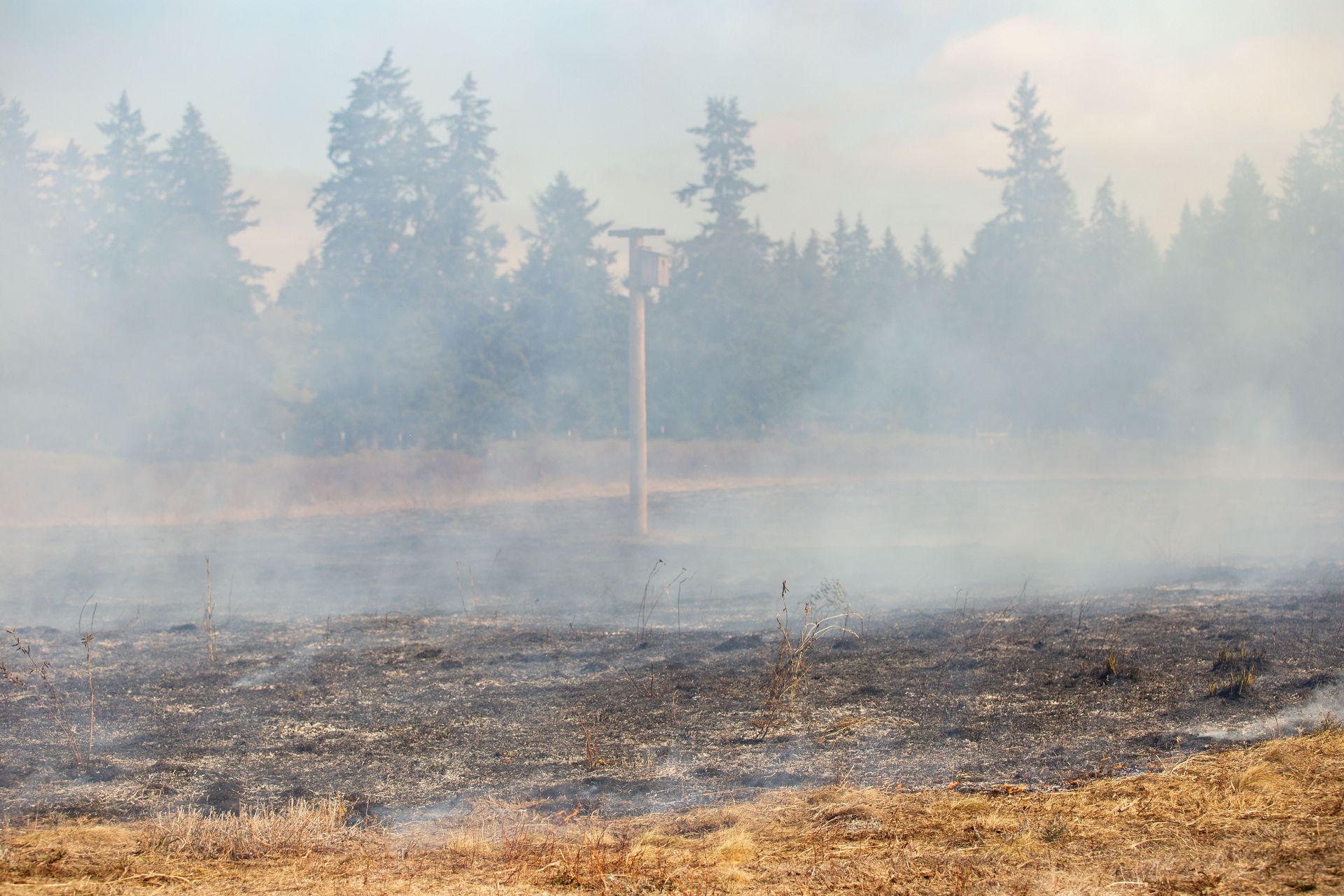
But life, in all its forms, is also resilient. Standing and watching the uncurling of smoke and pulse of flames as it expanded across the earth, the power of fire was both mesmerizing and ominous. In a state that has suffered greatly from wildfires, both this year and in the past, fears and misconceptions around prescribed burns have a tendency to surface, but are misguided. What became clear in witnessing the prescribed burn was that the intentional, congruous relationship between people, land, and fire makes all the difference. Human beings are there, guiding that power to stay on course, working with fire to create an outcome of a place restored, instead of destroyed.
Biologically, the ground and the life it supports derive plenty of benefits from a controlled burn. “Burning is great for the soil, in terms of nutrients that help with native plant establishment and it helps get rid of the invasive grasses that are currently there,” says Rasmussen. Burns eliminate the thatch layer, in which voles love to hide—digesting and demolishing rare native plant species. Another crucial benefit? It reduces the likelihood of wildfire. Prescribed burns help to eliminate dry fuel, which can exacerbate fires that strike unplanned.
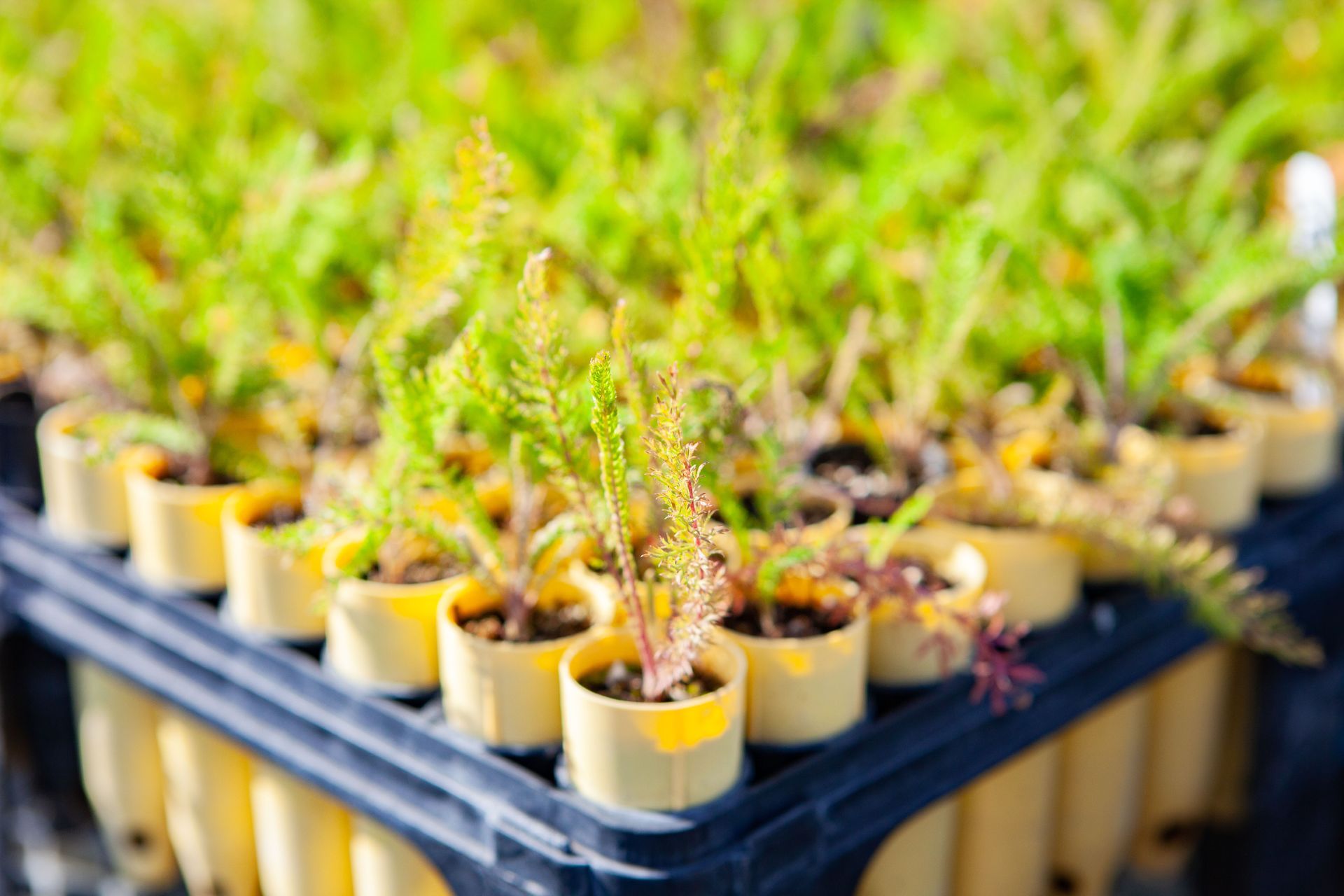
When the flames of this particular burn finally extinguish, Rasmussen will be able to put out a seed mix of native plants to take root before invasive grasses and bushes get a chance to proliferate. The prescribed burn, along with the conservation easement and seeds in PRI’s Native Plant Center nursery, all play a key role in the process of the prairie’s restoration. Restoration, after all, is healing and growing, burgeoning once survival mode has passed.
For many of us, there are few joys greater than watching something flourish. “Being able to grow the plant and then put it in the ground and be like, ‘That's the plant that I grew five years ago,’ and see it still thriving—it’s so rewarding,” says Rasmussen. And, thanks to the work of so many people—from time immemorial to the future beyond—this prairie will continue to thrive.
Looking for a rewarding experience that also contributes to prairie restoration? Volunteer with PRI by contacting
info@pacificriminstitute.org. To see more photos of PRI, check out our Fridays In Nature With WEAN series this month on our social media:
Instagram,
Facebook,
Linkedin.
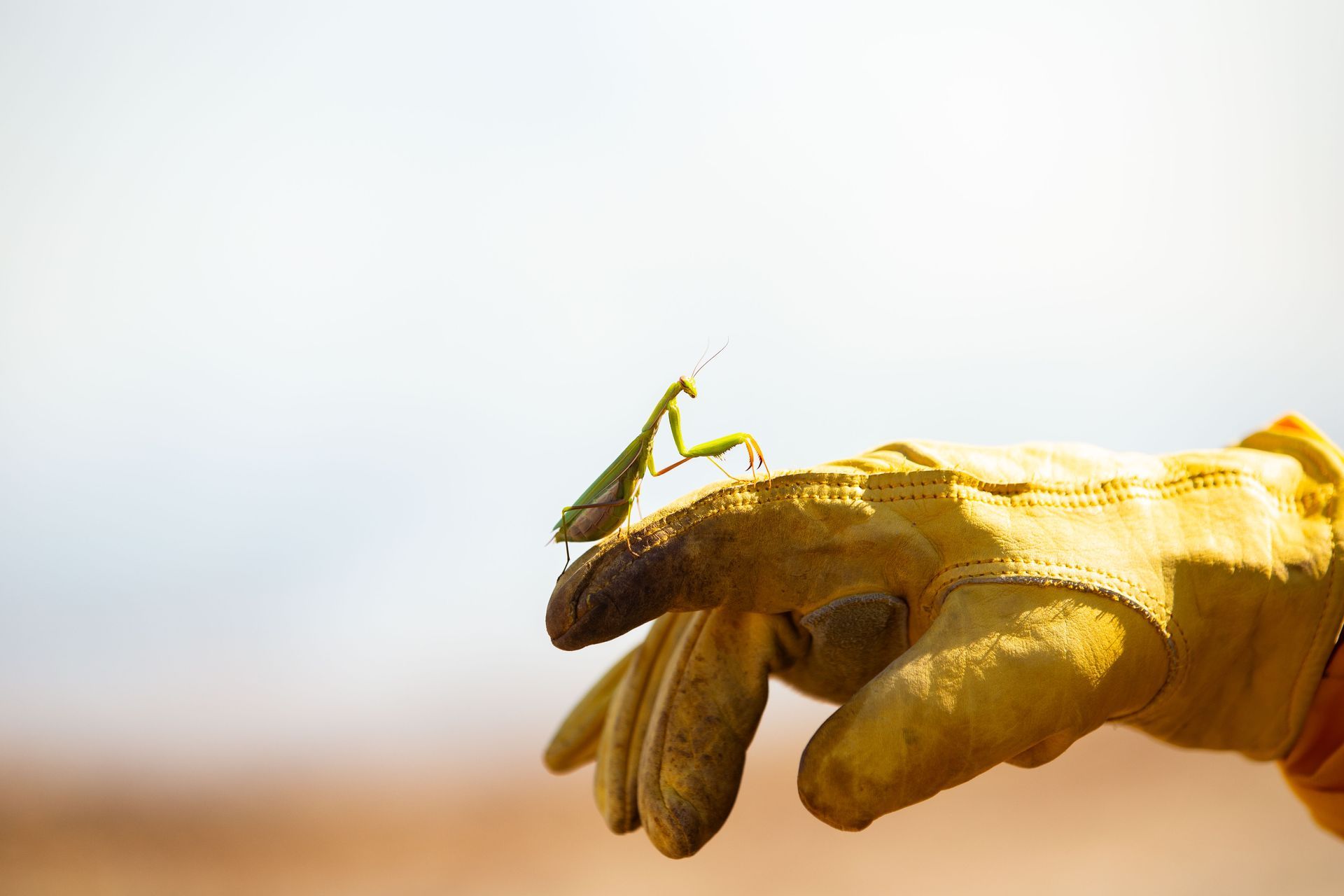
Select a thumbnail below to click through the full versions of the photos. Pictured are the different stages of the September 10, 2026 prescribed burn of the native prairie remnant from ignition to extinguish. Members of Coast Salish Youth Coalition, Central Whidbey Island Fire and Rescue, and Whidbey Camano Land Trust participated in the burn. All photos by Nia Martin.