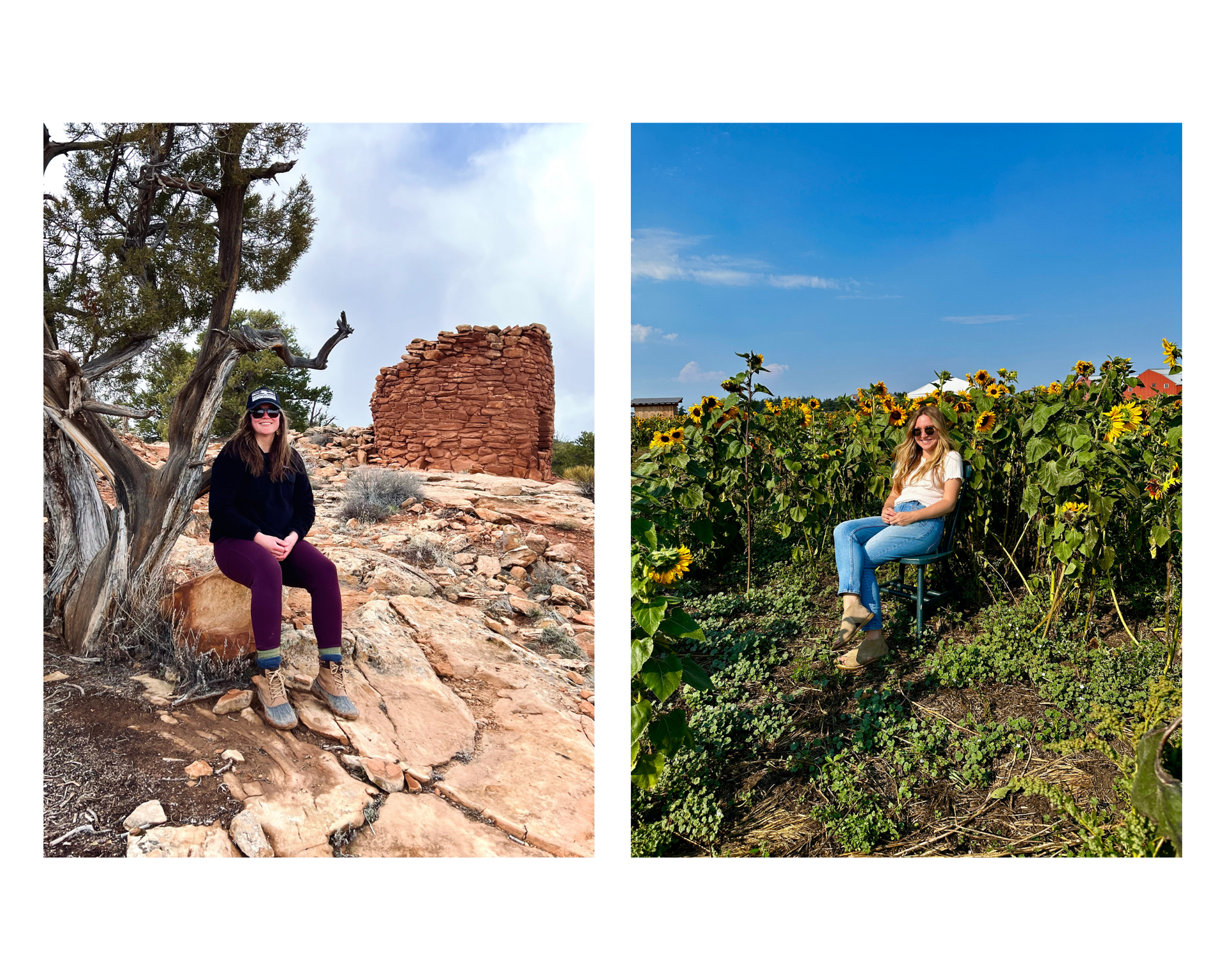
Meet Dr. Autumn Maust, WEAN’s New Program Director
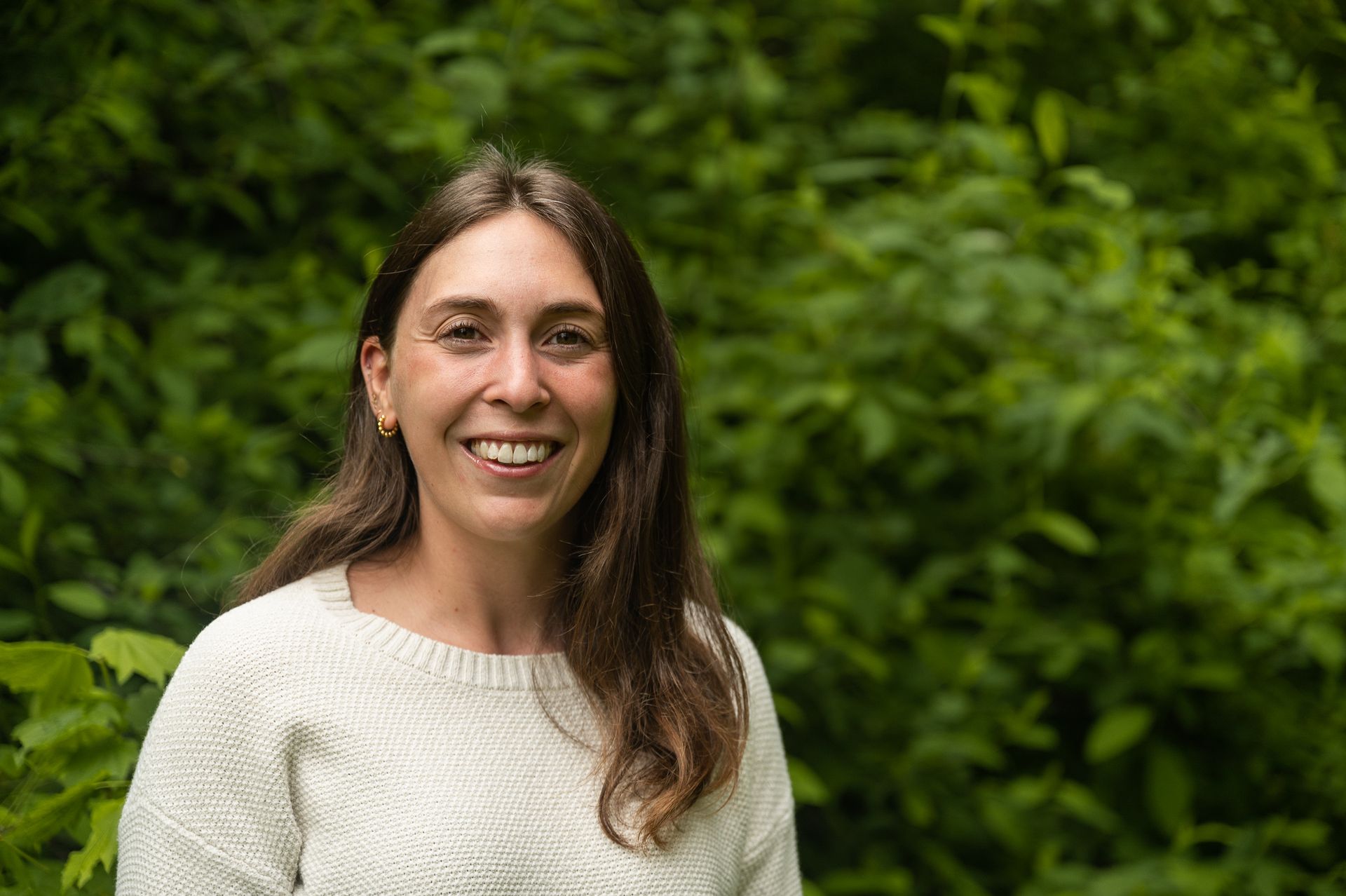
Dr. Autumn Maust joined the WEAN team in mid-July in the organization’s first ever role of Program Director. Hailing from New England, she moved to Seattle to do a graduate program at the University of Washington School of Environmental and Forest Sciences, relocating to Whidbey Island a year ago. Communications and Membership Manager, Nia Martin, talks to Autumn about her doctoral work, favorite Whidbey places, and what keeps her motivated in the face of climate change. Get to know more about Autumn in the Q&A below.
N: You graduated from a PhD program at University of Washington in 2025. Congratulations on your degree! Tell us a little bit about your area of study and the work you’ve been involved in.
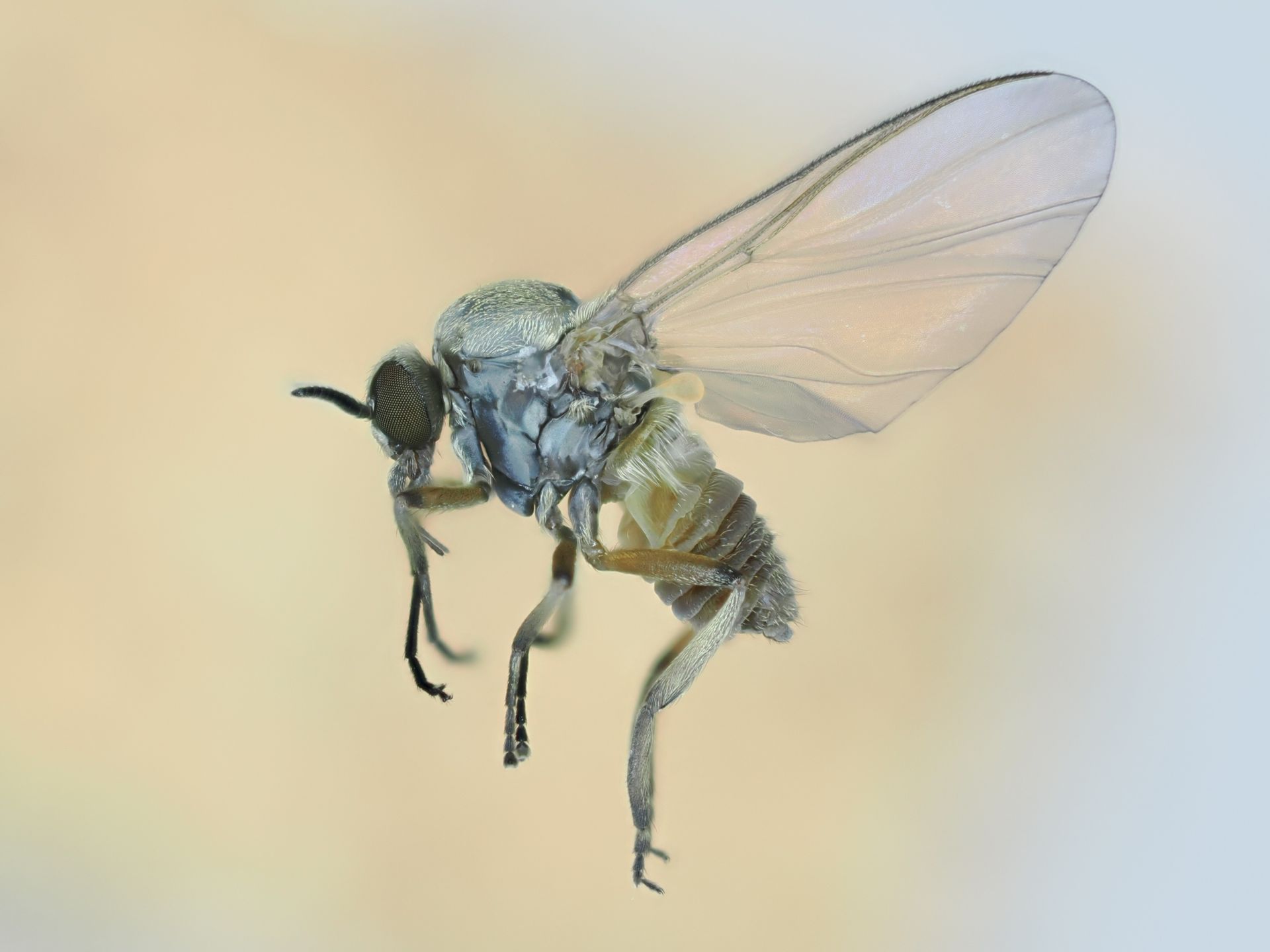
A: My doctoral work focused on the intersection between fire ecology and entomology. I was researching how wildfire affects native pollinator communities in Ponderosa pine forests. Through this work, we recorded
eight new bee species for the state of Washington that hadn't previously been documented. In addition, I've also studied plant phenology to understand how the timing of plant reproduction shifts in response to climate change. I have coordinated two citizen scientist programs, one documenting shifts in
Yoshino cherry tree bloom on the University of Washington campus, and the other monitoring alpine wildflower reproductive phases in response to changes in snowmelt at Mount Rainier.
N:
What parts of your experience are you excited to apply to your new role as Program Director and how do you envision your role operating in the organization and in the community?
A:
I'm eager to apply my skills in data analysis and research to help shape our programmatic goals at WEAN. I’m especially looking forward to zooming out from plants and pollinators and thinking more holistically about ecosystem conservation and environmental advocacy. While living in Vermont, I participated in a community effort to oppose a gas pipeline construction project through a public park. That experience showed me how meaningful and effective it is to engage in collective environmental action. One reason that I became an environmental scientist was to protect at-risk ecosystems, and WEAN is an exciting opportunity to join my scientific background and my passion for applied environmental advocacy.
N:
What are some of the challenges of doing (or anticipating for) programmatic work in the context of the environment?
A: One of the main challenges that I've continually encountered in my work, and one that I expect will carry over into my work at WEAN, is the lack of baseline environmental data. I mentioned those eight new bee species records earlier. As a doctoral student, I would ask myself : How do we conserve bee diversity in eastern Washington when we don't know what species are there? I suspect some of those same data gaps exist in Island County. So the question becomes: How can we leverage the data that we do have to identify priorities, inform our programmatic direction, and ultimately be as effective as possible?
N:
You’ve lived on Whidbey for a year after moving from Seattle. What have you discovered about the environment here that you appreciate and what do you miss about the environments of Seattle and other places you’ve lived?
A: I'm from a relatively rural place on the East Coast, and I lived in Vermont while getting my Bachelor’s, so I am not a city person by nature. I deeply enjoyed my time in Seattle, but one thing that I fell into the habit of is planning big weekend trips to get outdoors. Seattle has great city parks, but I really love to be immersed in nature with no noise pollution. Since moving to Whidbey, slowing down and planning less trips has been something I've been enjoying, and has also been a little challenging.
N: What do you do for fun on Whidbey Island and what are some of your favorite places?
A: I visit the Hammons Family Farm Preserve quite often, which is a small Land Trust property near Possession Point Beach. I ran the Whidbey Island Marathon in the spring, and so over the winter I was doing a lot of running around Coupeville from Fort Casey, to Rhododendron Park, and over to Ebey’s Landing, which are all beautiful places that I really enjoy.
N:
What is an early memory from childhood you have about nature or the environment? How do you think that shaped your view going forward?
A:
I grew up in a log cabin my dad built in the northwestern corner of Connecticut. We were surrounded by forest, and there was a small stream that ran along the side of our house. I spent most of my childhood playing outdoors. Those experiences shaped my career trajectory and cultivated a strong sense of appreciation for nature and natural spaces. I think that certainly influenced my desire to become a scientist.
N: Between wildfires, threats to endangered species and public lands, policies that remove regulations on pollutants, etc.—there’s a lot to feel down or overwhelmed about. What about nature, and environmental work, keeps you hopeful and determined to stay the course?
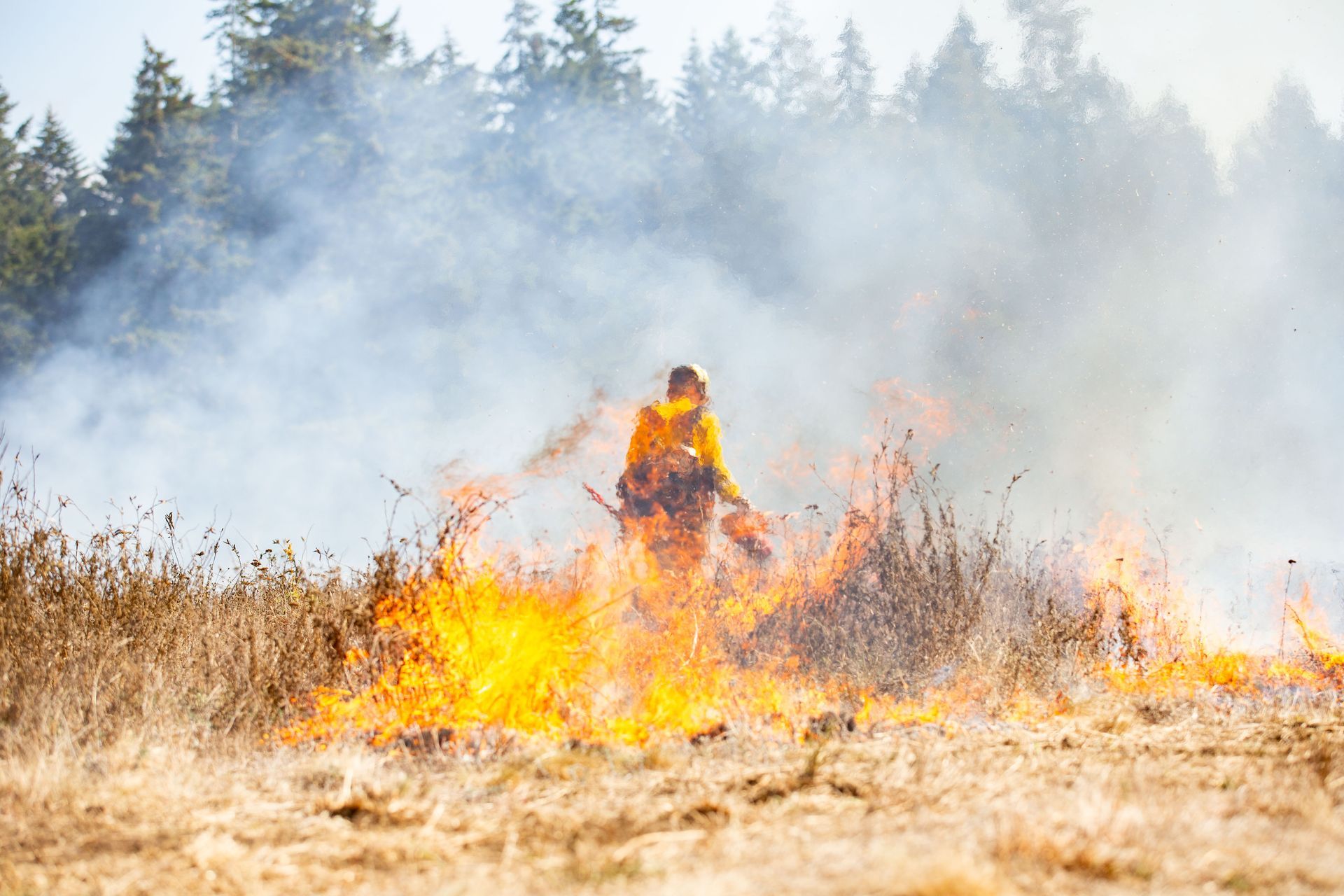
A: The fires affecting the state right now are devastating for a lot of communities, and I think it’s important to hold that human impact at the forefront. At the same time, one thing that keeps me hopeful as an ecologist who has worked in post-fire forests, is remembering that fire can have positive effects on forest health and structure. In many ecosystems, fire has been a natural and necessary part of the disturbance regime for thousands of years. When we’re able to separate the ecological role of fire from the very real risks it poses to people, homes, and communities, I find hope in seeing how remarkably resilient these systems can be.
I also find a lot of hope in connecting with our community. Through environmental education and community science, I’m continually encouraged by how much people care about the natural world and want to be part of finding solutions. When I feel overwhelmed by the scale of environmental challenges, that sense of community—and the people working to protect the places they care about—helps me stay hopeful and committed to the work.
N: What is a native plant or animal species to Washington that you wish more people knew about and why does it resonate with you?
A:
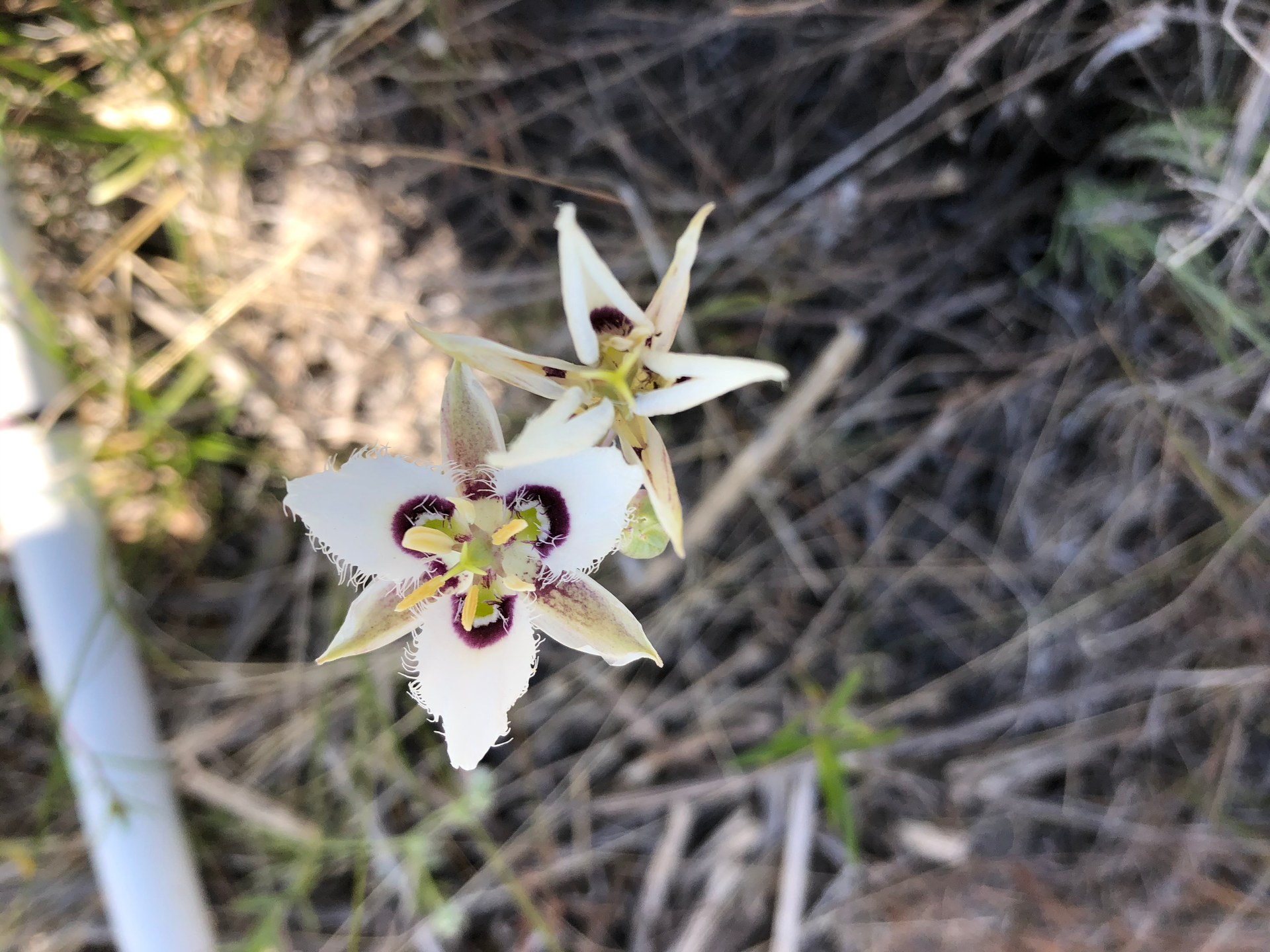
I studied plant-pollinator interactions for the last six years and so I have a very specific answer. There is a bee called
Dufourea dilatipes, or the Mariposa Lily Shortfaced bee, and it only visits
Calochortus
(Mariposa Lily) flowers. Both the plant and its pollinator are very charismatic, and can be found in Washington state. Most of our native pollinators are generalists, meaning they will visit many different types of flowers. When I learn about these more rare, specialist relationships, it's so exciting. I think it highlights some of the biodiversity present in our natural systems.
N:
Lastly, this is a big dog lovers’ island, but you have cats! Tell us about them and why cats are the best.
A: Well, I grew up with a border collie who I loved very much. Every time I go to Double Bluff, I think to myself, “Should I get a dog?”. But, for my lifestyle right now, cats just make sense. I like to travel, mountaineer, and go rock climbing, and it's kind of hard to bring dogs along for that. For my lifestyle right now, my cats, Tobi and Tuna, are perfect.