Meet WEAN’s Newest Team Members: Sara & Nia
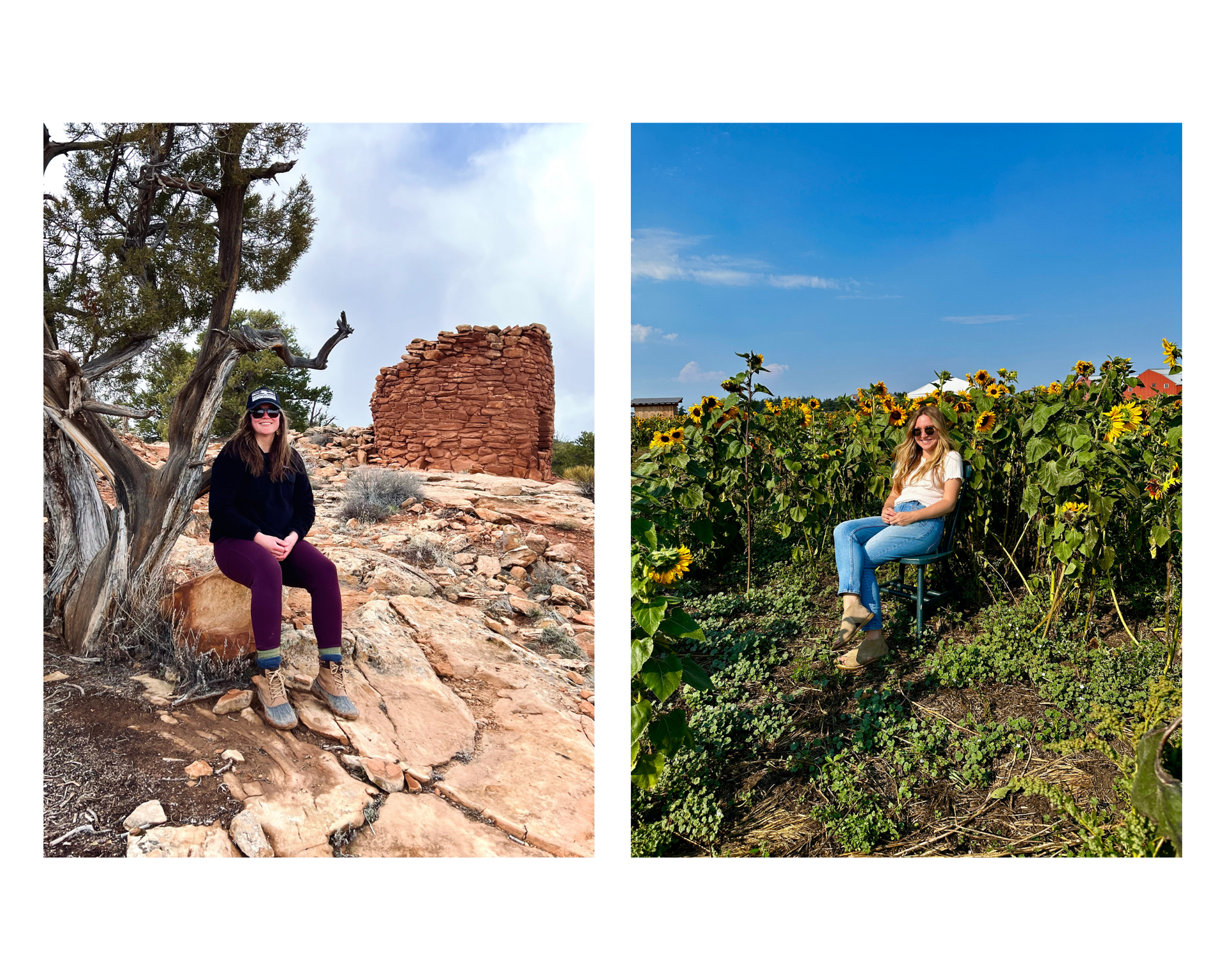
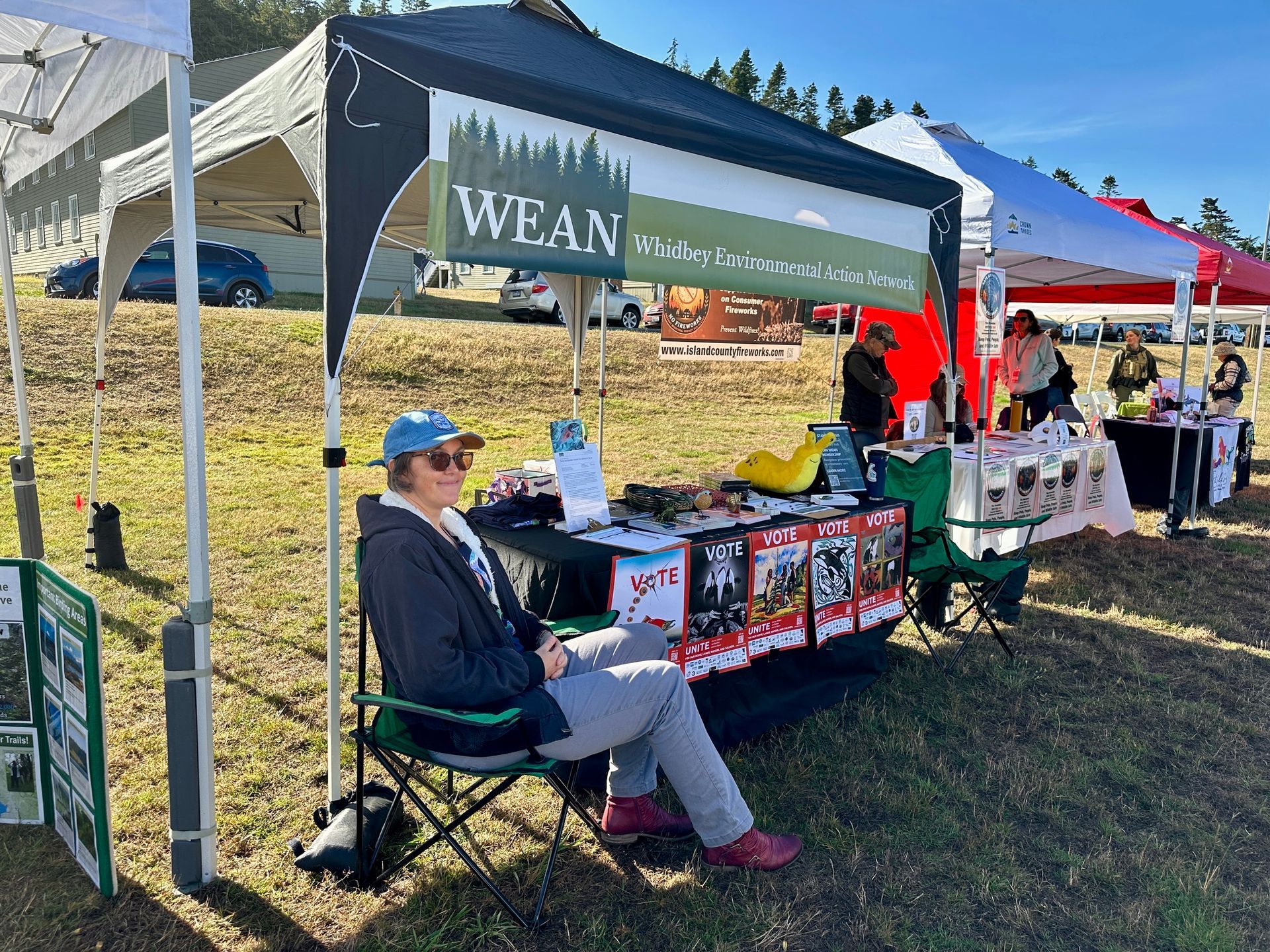
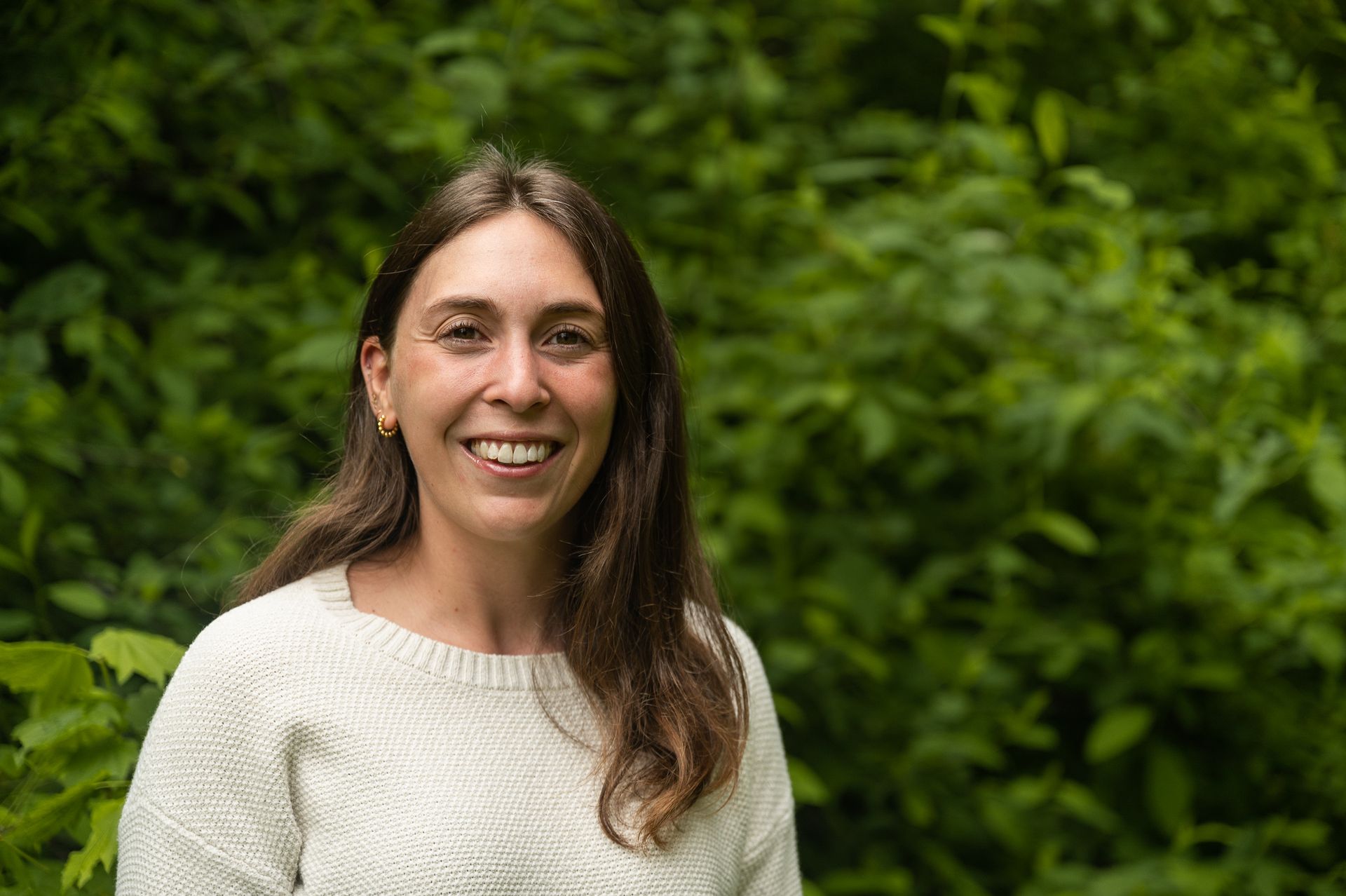
Sara Hinck and Nia Martin both joined the WEAN team this June. Nia is a WEAN member with a background in communications and journalism. She has worked with several Whidbey nonprofits and is thrilled to be the organization’s new Communications and Membership Manager. Likewise, Sara is excited to step into WEAN’s new Community Relations Manager position. She comes to the island from Utah, where she worked in outdoor programs and community development. Get to know more about our new team members in the Q&A below.
As Whidbey Island transplants, what do you appreciate about the nature of Whidbey and what do you miss about your previous home?
S: My grandfather lived in Port Angeles, so I would spend a lot of springs and summers visiting him with my family and traveling around the Puget Sound area. Being in Utah for almost a decade, in a landlocked state, I missed being near the water. So, being surrounded by water here, and the trees, and the accessibility, ease, and connection . . . I really enjoy that side of Whidbey. This environment isn't harsh in the way that Utah's environment can be in the desert, so that's been a nice change of pace.
In terms of what I miss about Utah, probably just the beauty and drasticness of the canyons—the immensity of the desert and the canyon region in Moab, where you feel so small in the grand aspect of it all. I love both environments very much, but in very different ways.
N: Before I moved out to Whidbey officially, my parents moved here in 2017, and shortly after that my dad became very ill. I came out here a lot to help and one of the things that he really enjoyed was going for trail walks in various woods, which is why I now know some of the trail systems really well. So my gateway into nature here was learning trail systems with him and I'm very glad to have had that. It was healing, and continues to be so, even though he's now passed away. I've moved here since, and gotten to explore more on my own. I’m creating my own memories, learning about new places, so it just keeps expanding.
I miss certain amenities of Seattle, like having a lot of restaurant options and lots of cultural centers and spaces. To Seattle's credit, there are some really fantastic parks, and I lived near a big one called Lincoln Park in West Seattle. During Covid, walking there sort of saved my sanity because I got to be in this really big outdoor space at a time when I couldn't be near anybody. It also got me thinking a lot about urban planning—which communities have green spaces, which don't, how that affects people and pollution, and how those are all related. But yeah, I appreciate Seattle and Whidbey in different ways. I also grew up moving around a lot, and so I’ve been in a lot of different natural environments, and I think each one is special in its own way.
Talk a little bit about your previous work. What areas of your experience are you excited to apply to your new role?
S: I've spent the last five or so years working in outdoor education and outdoor recreational spaces for nonprofits and outfitters, doing marketing communications, as well as youth program development. Prior to that, I was doing a lot of organizational development, community development-type of roles and responsibilities. The thing that I enjoyed is being a connector of the community to the organization; its mission, its services, and programs. Helping the organization’s services speak to a wide variety of audiences and intentionally serve those audiences, and meet them where they are. That's the type of role that I've gravitated towards, feeling like the work that I do is meaningful and impactful, not only for the community, but for the organization. I've been trying to dive more directly into advocacy, and justice, and community development work, and so when this role was offered, I was like, “Oh, this feels in alignment.”
N: My background was originally in Film Studies, and then I worked on film sets, found that that was very unsustainable economically, and then transitioned into being a photographer and a writer. I worked freelance in both of those areas for a number of years. I also worked as an editor for a publication, and then created my own publication with a colleague of mine, doing original news stories about women doing grassroots work in their communities. So, that was what led up to transitioning into communications for nonprofit organizations when I moved to the island.
I've been lucky to work in all sorts of different mediums: in film, in print, in digital. I'm excited to continue to refine those skills and play to their strengths, applying them to the work of this organization to help people feel more connected to where they live and the environment here. I want to figure out which materials and stories we share most resonate with people across ages, identities, and backgrounds on Whidbey and Camano.
What are the biggest rewards and challenges of working in your respective fields?
S: For me, personally, the rewards of community relations and development work are about the curation of services to provide people with a high quality service program or communication that makes people feel seen, valued, and spoken to, so that they feel like they have a space of belonging in it and that they have an ability to help curate that space as well.
On the flip of that, community relations take an incredible amount of time to do with intention. It's very relational work, building trust and respect, and understanding the needs and the pulse and the the webs of how people, and community spaces, and government, and organizations, and all these different entities, operate. And then, what is the organization's part in that ecosystem and process? In the world that we live in, where it's fast-moving, instant gratification, demanding of results and outcomes, the longevity of doing community development and relations work can feel very slow, and that can feel complicated. Also, there are a lot of times where you can misstep and do as much as you can, and it doesn't hit the mark. It’s continually evolving, and growing, and understanding where there are areas of room for improvement and also knowing you're not going to be able to be all things to all people. That adds to that layer of complexity within community relations work.
N: One of the best feelings that comes from communications is when you know that someone has taken action, or learned something, or participated in some way because of a communication that you've helped put together and put out in the world. There's really nothing better than that in this type of work, because there’s a lot of apathy out there, and also people's lives are hard and they're busy, and it's hard to connect with information all the time. So when that connection happens, it can feel like kismet.
In terms of challenges in this work, there’s a lot of information coming at you at once from various places, and working with lots of different people on different deadlines than the one you're being held to. Also, when you publish something, it looks very polished and seamless, but that hides the amount of labor that goes into it, erasing the challenge of the work underneath. I think sometimes people don't always realize, or take into consideration, that these things take a lot of time and a lot of effort.
What is a foundational memory you have about nature or the environment? How do you think that shaped your view going forward?
S: My mom was really intentional about immersing me in all different environmental spaces when I was a kid, and one of those spaces was the beach. One of the beaches was in Stinson Beach in California, and I remember spending a lot of time exploring, and looking into the tide pools, and going on walks, searching for shells and sand dollars. One thing that was ingrained in me is the connectivity, and that we are in relation and one with nature. It isn't a commodity, and it's something to be respected and cared for. I think that was a foundational factor in how I was raised that carried me forward. It informs how I interact and engage in that space as an adult, and how I recreate, and in the type of work that I want and am doing. The teachings that I had through my family, community, and friends really was a ripple effect in how I see and engage with nature presently, and down the road.
N: This feels like such a film kid answer, but honestly,
FernGully. I loved that movie as a kid. I think I watched it like 100 times minimum. When I think about it now, it's probably why I have strong feelings against mega corporations, because of Hexxus. It communicated to me that nature is really magical, and that it's worth fighting for, and that it’s home to lots of creatures. I was also very much an animal lover when I was a kid, so protecting animals and their environments was something that was important to me. We had lots of animals that I grew up around, so that was a big part of it, too. But yeah, FernGully radicalized me!
Whidbey Island is a unique place! What do you hope to see evolve in the relationship between the community and the environment moving forward through your work with WEAN?
S: Being on this island for less than a year, I think I've had some exposure to organizations and people doing really important work when it comes to the environmental space and a lot of that is volunteer community-driven. I think that there’s a lot of community care. We can be bombarded with the negative, and the immensity of things that are going wrong, and it's like honing in to see that there are a lot of people who care and are trying to do the right thing and do what they can in order to preserve and sustain the environment and other things that they care about. I think it's a foundational culture and heartbeat of Whidbey Island, and Island County, that speaks to that type of character, and I want to tap into that in this role—engage in the space in a directive and humanistic way, as well as broadening who sees themselves in the work, and the ways in which they can engage. That's the direction that I'm trying to move, and I think one of the initial steps is just diving into the community and learning and listening, and being the student before I try to be the curator, you know? Doing it in the Island County-, Whidbey-, Camano Island-style, because it's a unique way of being and operating, and I want to be in alignment with and respect all of that.
N: I think Marnie and Amanda have done a really excellent job of connecting the mission with the community, and so I'm just hoping to not screw that up, and to build upon this amazing foundation that they've set. Moving forward, it would be really cool if almost everyone who lived here felt like they had a stake in what happens here environmentally, and understands why, because I think a lot of information can seem inaccessible or gatekept. My hope is that, on some level, almost every person can speak to something that they appreciate about the environment here and why it matters, and also understand the process of how to advocate for it, too.
I also hope that we gain more members and gain more people who follow the work and use it to empower their lives here. Even the people who are only here for short bits of time, I would love for them to have a deeper appreciation and a deeper understanding.
What is inspiring you right now in your life?
S: I spoke to this earlier, but I really appreciate the community care aspect that I have found on the island, especially being a new person coming in. There's been a lot of olive branches, communication and connection, and I think there's a real openness and welcomeness that I haven't found in a lot of places. It feels really genuine and authentic. It's inspired me, because sometimes I can get a little bit down on humanity, and how I feel we treat each other. People here have really, in my experience, reinvigorated that type of relational care, and how we can be with one another when we make the intentional choice to embody that.
N: I'm inspired by the cultural pushback to return to analog. Not that there's anything wrong with digital spaces, they have their functions, but I do think that there's been a removal, a distancing and isolation that's happened because of this strong push into a more digital world. Younger people seem to be rediscovering what it means to pull away from some of those spaces, to make things with your hands, be out in nature, gather with your friends, community, and your family in person. I think that having in-person and tactile experiences makes us more amenable to caring about the environment, because the environment is an in-person experience. Being in person helps build compassion, understanding, creativity and relying on yourself and your imagination. Being in nature is a big part of my creative process, too, so I'm glad to see that there's this newfound appreciation for the challenges and victories of getting your hands dirty.
What do you do for fun on the island and what are some of your favorite places (indoors and outdoors)?
S: When I'm not at work or at home, you can most likely find me at the gym. I’ve definitely gotten into strength training in the last year, and I feel like it's really nurturing for my mind, body, and soul. So I've invested a lot of time doing that, and it's really a great collection of people there.
I also enjoy doing pottery, even though I'm not very good at it, but it's an artistic expression that I enjoy, and I have a lot of wobbly, unique looking bowls and mugs. I do photography casually and love being in the outdoors, hiking, kayaking, and bicycling—just trying to explore the island.
One of my favorite places that I've gone back to again and again is Double Bluff. I really enjoy doing sunset walks, and one thing that I've always found interesting is that every time I go, depending on the tide level and the storm debris, the beach is always different every time, and so it's a new adventure.
N: I really enjoy going for walks with friends on the island and learning about new places through them. I like a good secondhand shop rummage. There are a lot of good little hidden gems for secondhand goods on the island and finding unique stuff that's sustainable makes me happy. I really love the library here, and I have way too many holds I'm trying to get through. I love being out with my dog and going on different trails with her. We really like going to Greenbank, and there are some cool trails over by Possession Point. I also like to go canoeing when I get a chance; my dad's canoe is still at the house, so my husband and I try to go out on it, especially during the summer. I love going to the Clyde to see movies, and I like getting one of my books and sitting out at Dancing Fish and reading in the sun. I also like going to WICA too, for performances, so yeah, I try to mix it up indoors and outdoors.
What is one thing people would be surprised to learn about you?
S: I used to be a radio DJ for a local community radio station in Moab. I used to go by DJ Saratonin, and had a program called “Eklectica”.I did that for three years, dabbling in all these different genres and localities, and decades of music. I'm a great lover of music and so it was a lot of fun to share that out to an audience and radio listeners. As a former really shy, introverted kid, I never thought I would do something like that, and it’s probably one of the best decisions I’ve ever made. I miss it greatly, and it's a great community radio station.
N: I moved around a lot growing up due to my dad's work, which was in Middle Eastern studies, and so we actually lived in Egypt for a good chunk of my childhood. The sound of Arabic is very comforting to me. I think it's a really beautiful language, and I miss hearing it regularly. When we moved back to the States, we were also in social circles with a lot of Arab and Muslim community members, so I just miss that and I wish I had retained more of the language. Now I'm just down to basic phrases, counting one through 10, and curse words!
It’s summer on Whidbey! Besides adjusting into a new job, how are you spending it?
S: Just trying to do as much as I can, and dive in. You can find me regularly at a farmer's market. I'm trying to get into a lot of the different music performances happening, in different areas like Deception Pass. I’m also trying to explore more of the Oak Harbor and Camano Island areas and understand the happenings and events and all things going on out there. Basically I'm trying to tap into the event calendar of Island County and doing as much as I can in the peak of the season and seeing the variety of all things that Whidbey and Camano have to offer.
N: I did quite a bit of traveling the first half of this year before I started this job, so I'm staying put here this summer. A few summer bucket list things . . . I want to go swimming in Goss Lake. I also have a photography project I'm working on with botany, and so I'd like to do more of that with all the summer flora happening around here. Just in general, picnicking, canoeing, and being outside with my dog, soaking up the vitamin D while we have it. And, knock on wood, I hope it's not smoky this season, so that we can all breathe easy and enjoy it.
Note: This interview has been edited for length and clarity.